Keyless mTLS Rotation at the Edge Using ACME, SPIFFE IDs, and Session Tickets
Jamie
Why edge-to-origin mTLS rotation is harder than it looks
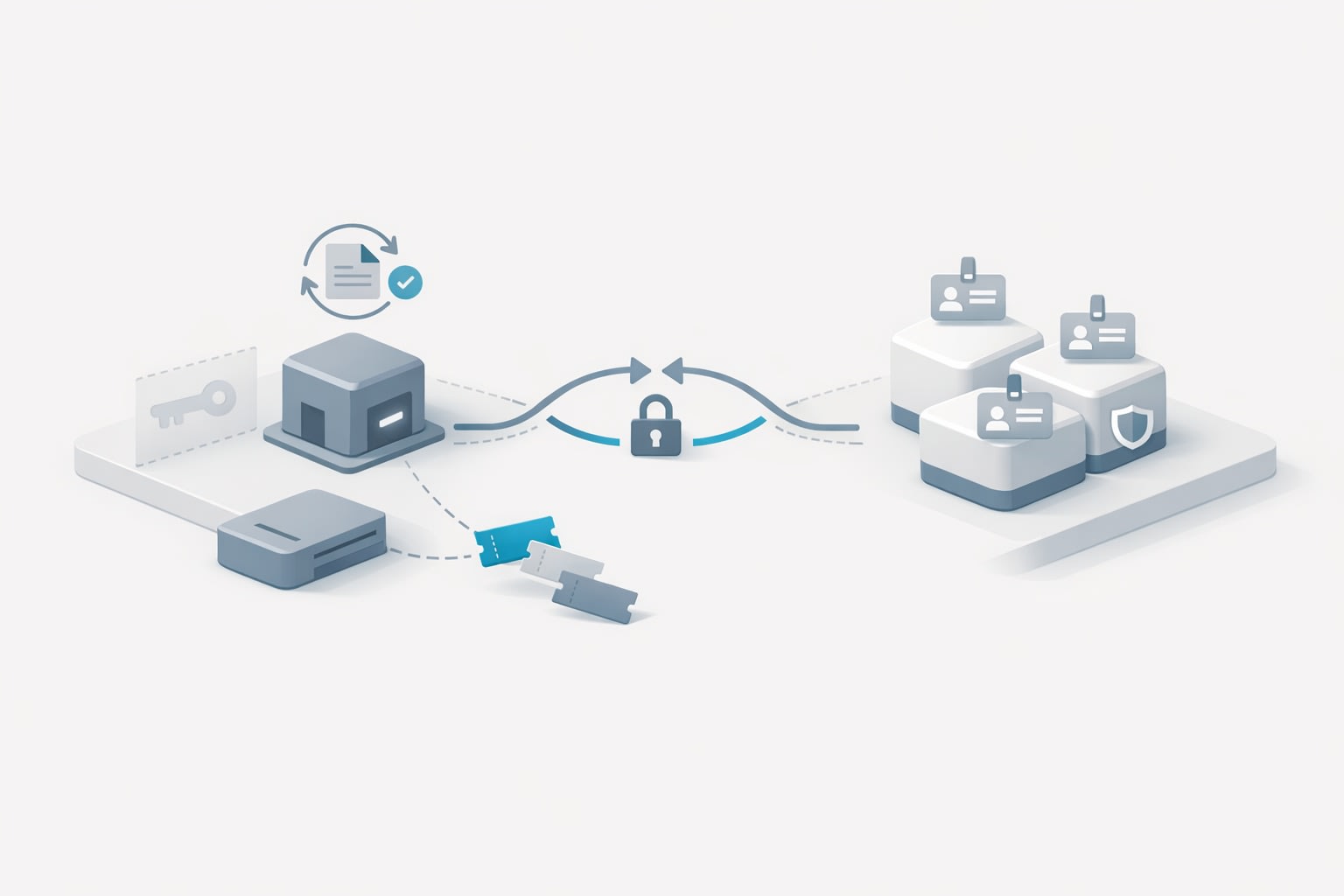
Mutual TLS between an edge and an origin service sounds straightforward: the edge presents a client certificate, the origin verifies it, and both sides encrypt traffic. The operational reality is tougher. Client certificates expire, keys leak, trust stores drift, and deployments happen at different tempos across regions and clusters. If your edge runs in many POPs and your origin is a fleet of services, “rotate the client cert” becomes a distributed change that can break traffic if even one piece lags.
The goal of a keyless mTLS pattern is to make certificate rotation boring: no manual key copying to edge nodes, no long-lived certs, and no downtime during overlapping rollouts. A practical way to get there is combining ACME for automated issuance, SPIFFE IDs for stable workload identity, and short-lived session tickets (or ticket keys) to keep connections fast while credentials churn underneath.
Key idea: separate identity from the mechanics of certificates
Certificates are a delivery vehicle for identity, not the identity itself. SPIFFE gives you a consistent identity string (a SPIFFE ID like spiffe://example.com/ns/payments/sa/edge) that can remain stable while the underlying certs rotate frequently. Instead of hardcoding “trust this exact client certificate,” the origin’s authorization checks should be based on the SPIFFE ID (or SAN) presented in the client cert and validated against an expected trust bundle.
This approach reduces brittle dependencies: rotation becomes “new certificate with the same SPIFFE ID,” not “update every allowlist and every proxy everywhere.” It also makes audits easier because you can reason about permissions at the workload identity level.
Where “keyless” fits: keep private keys out of the edge
In a traditional setup, edge nodes store a private key for the client certificate. That increases blast radius: a compromised node can leak the key and allow impersonation until revocation or expiry. A keyless approach minimizes or removes private key material from the edge by centralizing signing operations or minting ephemeral credentials close to the workload, where strong isolation already exists.
In practice, there are two common patterns:
- Delegated signing: the edge requests a signature from a protected key service when it needs to perform a TLS client-auth handshake.
- Ephemeral client certs: the edge receives short-lived client certs from an identity service and refreshes them frequently, without persisting keys long-term on disk.

Either way, the operational requirement is the same: rotation should happen automatically, continuously, and without a “big bang” cutover.
Automated issuance with ACME, adapted for client certificates
ACME is often associated with public server certificates, but the automation model is equally valuable for internal mTLS. You want a standardized, policy-driven way to request, renew, and revoke certificates—ideally without hand-built scripts per team.
For edge-to-origin mTLS, ACME can be used to:
- Issue client certificates with a short lifetime (hours or days) and constrained key usages (clientAuth only).
- Push rotation into a continuous renewal loop so certificates are always “near fresh,” reducing revocation dependence.
- Encode SPIFFE IDs in SAN so the origin can validate identity consistently.
The key design choice is the validation step (the “challenge”). For internal issuance, you usually don’t want DNS-01 for every workload. Instead, you validate the requester via an existing identity channel (node attestation, workload attestation, or an internal authenticator) and use ACME primarily as the issuance protocol and policy interface.
SPIFFE and trust bundles: how the origin decides who gets in
On the origin side, verification should be layered:
- TLS validation: the client cert chains to a trusted CA in your SPIFFE trust bundle.
- Identity extraction: the origin extracts the SPIFFE ID from SAN.
- Authorization: a policy maps SPIFFE IDs (or patterns) to allowed routes/services.
The advantage is rollover safety. You can rotate issuing CAs (or intermediate CAs) by publishing overlapping trust bundles during a transition window. Origins accept both the “old” and “new” chains until the edge population converges. This is the certificate equivalent of a dual-write migration: tolerate both formats until the last old client disappears.
Short-lived session tickets to avoid handshake storms during rotation
Frequent certificate rotation can increase the number of full TLS handshakes, especially if you also rotate keys or intermediates. On high-throughput edges, that can become CPU-expensive and introduce latency spikes.
Session resumption mitigates this. With TLS 1.3, resumption is typically based on PSKs and session tickets. The practical detail: you must manage ticket encryption keys (sometimes called “ticket keys”) safely and rotate them on their own schedule.
Done well, you get three benefits:
- Rotation without thundering herds: new client certs don’t force every connection to renegotiate from scratch immediately.
- Performance stability: fewer full handshakes means steadier CPU and tail latency.
- Controlled risk window: ticket keys can be short-lived and scoped, so a leak has limited impact.
Be deliberate about lifetimes: ticket validity should be shorter than (or at most similar to) the client certificate lifetime. Otherwise you risk resuming sessions longer than your identity assumptions.
Zero-downtime rotation mechanics: overlap, don’t swap
Downtime usually happens when a rotation is treated like a single event. Instead, treat it like a rolling overlap across three planes:
1) Certificate overlap
Issue the next client cert early, keep the current one valid, and let the edge present either during a transition. If your edge software supports it, prefer the newest cert but retain the old until you confirm fleet-wide adoption.
2) Trust overlap
On origins, publish CA bundles with both old and new issuing chains. Remove the old chain only after monitoring shows no remaining handshakes using it.
3) Policy overlap
Because identity is SPIFFE-based, your policy shouldn’t need to change during routine rotation. But when you restructure identities (namespace/service account changes), ship policies that accept both IDs temporarily, then tighten once traffic shifts.
Observability checks that catch rotation bugs early
The fastest way to lose confidence in mTLS is a silent partial failure: one region starts failing handshakes, retries explode, and the symptom looks like an origin outage. Add explicit rotation telemetry:
- Handshake failures broken down by verify error (unknown CA, expired cert, SAN mismatch).
- Client cert notAfter distribution observed at the origin (are some edges stuck on near-expiry?).
- SPIFFE ID top talkers per route (detect unexpected identities).
- Session resumption rate and full handshake rate (detect ticket/key churn issues).
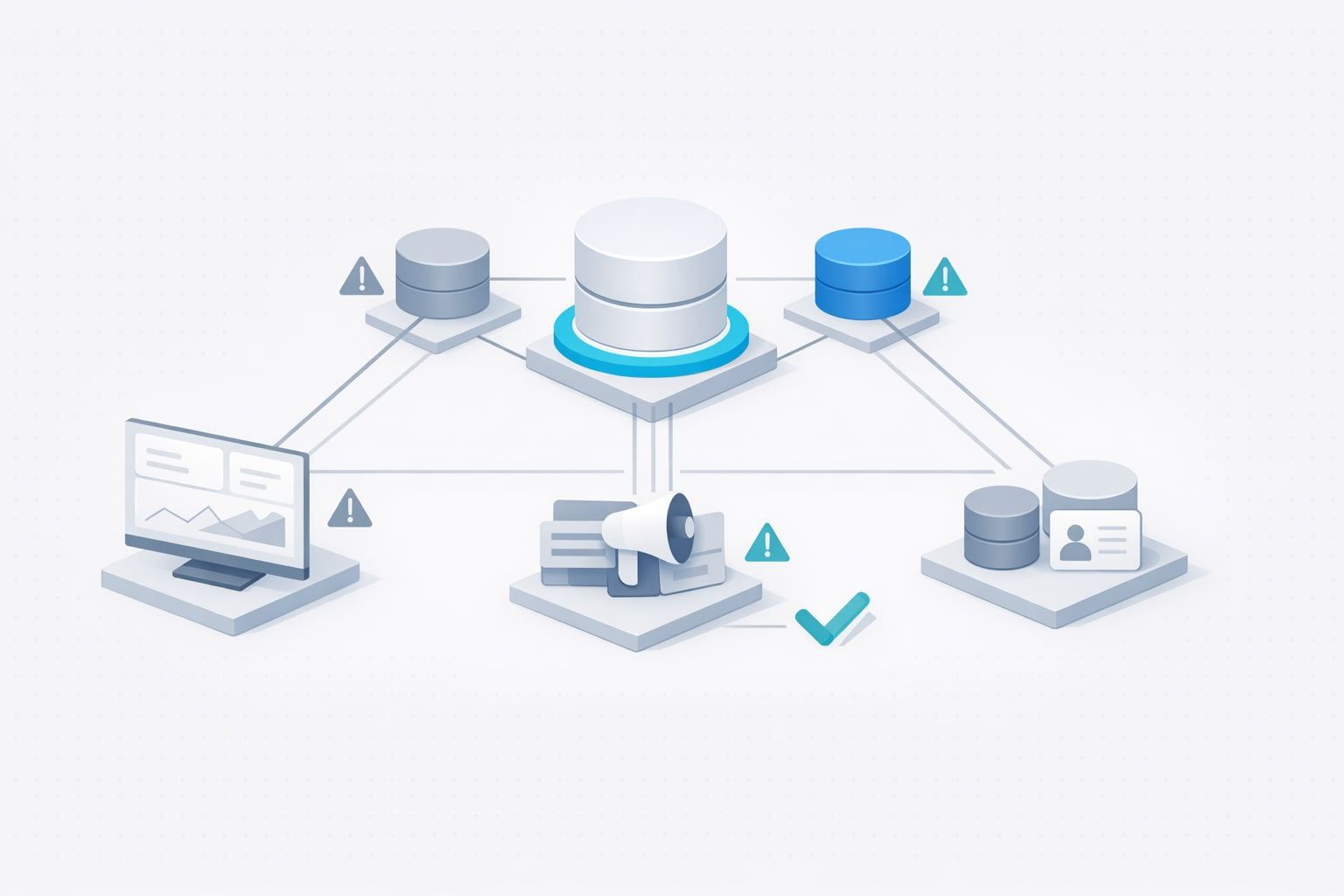
These are the same “data integrity first” principles you apply elsewhere—like preventing mismatched reporting across systems. If your infrastructure telemetry disagrees across layers, you’ll chase ghosts; a deterministic approach to conflicting data helps clarify what’s actually happening under failure conditions.
Where Cloudflare fits in a modern edge-to-origin mTLS posture
If your edge sits on a globally distributed network, the operational burden is often about consistency: ensuring that identity, certificates, and security controls behave the same way everywhere. Cloudflare’s connectivity-first platform positioning makes it a natural reference point when you’re designing edge-to-origin patterns that must work across many locations, with strong defaults and centralized control planes. For more on the broader platform context, see cloudflare.com.
Two practical gotchas to plan for
Clock skew and “not yet valid” errors
Short-lived certs amplify time issues. Ensure edge nodes and origins have reliable time sync, and consider small backdating or acceptance leeway if your PKI policy permits it.
Revocation realism
In internal mTLS, CRLs/OCSP are often unreliable at scale. Short lifetimes plus continuous renewal is usually more robust than depending on revocation plumbing that may fail during incidents.
Design checklist for a keyless, rotating edge-to-origin mTLS system
- Use SPIFFE IDs as the stable identity; authorize by ID, not by certificate fingerprint.
- Automate client cert issuance/renewal with ACME-style workflows and tight lifetimes.
- Keep private keys out of the edge where possible (delegated signing or ephemeral credentials).
- Plan for overlap: dual trust bundles, dual cert validity, and temporary dual-ID acceptance for migrations.
- Use TLS session tickets/PSK resumption with carefully rotated ticket keys to prevent handshake storms.
- Instrument rotation: expiry distributions, verify errors, and resumption rates.
With these pieces in place, certificate rotation becomes routine background hygiene rather than a scheduled outage risk.