Fail-Closed Egress Controls for LLM Tool Calls at the Edge
Jamie
Why fail-closed egress matters for LLM tool calls
LLM agents feel “safe” when their prompts are constrained, but tool calls are where real risk lives: outbound HTTP requests, webhook triggers, database queries, and third-party APIs. Once a model can reach the network, a single prompt-injection can turn into data exfiltration, account takeover attempts, or surprise cloud spend. The core reliability and security move is simple: egress must be fail-closed. If the system can’t confidently prove a request is allowed, the request should not leave your boundary.
Fail-closed egress is especially important at the edge, where latency is low and decisions can be enforced consistently before requests hit the public Internet. This is where a connectivity and security platform such as Cloudflare can be used as a practical reference point, because policy enforcement close to users and close to tools reduces both exposure and operational drift. (You can explore the broader platform context at cloudflare.com.)
The threat model is not “the model,” it’s the network
In tool-using systems, you’re defending against a few recurring failure modes:
- Prompt injection into tool selectors that convinces an agent to call an unexpected tool (or call the expected tool with an attacker-controlled destination).
- SSRF-style pivots where “fetch this URL” becomes “fetch internal metadata endpoints” or “probe RFC1918 ranges.”
- DNS tricks including rebinding and fast-flux: a hostname that was safe at decision time resolving to a different IP at execution time.
- Budget blowups where an agent loops on retries, paging through huge result sets, or calling expensive third-party endpoints.
The pattern across these is that the attacker doesn’t need your agent to “break rules.” They only need one path to unrestricted egress.
Principle 1: enforce per-tool domain and IP budgets
“Budgets” are a pragmatic control that turn open-ended behavior into bounded behavior. For LLM tool calls, budgets should be defined per tool, not per agent, because tools map to blast radius. A “search” tool and a “payments” tool should not share the same egress profile.
What a per-tool budget should include
- Allowed destinations: hostnames, DNS zones, and (when necessary) explicit IP ranges.
- Request rate limits: e.g., 30 requests/minute/tool, with a lower limit for costly tools.
- Concurrency limits: to prevent fan-out storms when the model tries “parallel research.”
- Data caps: maximum response size, maximum total bytes/tool/day, and strict timeouts.
- Cost caps: for tools billed per call, enforce a daily/weekly call ceiling and fail closed after the threshold.
- Method and path constraints: limit to GET where possible; for APIs, constrain to specific path prefixes.
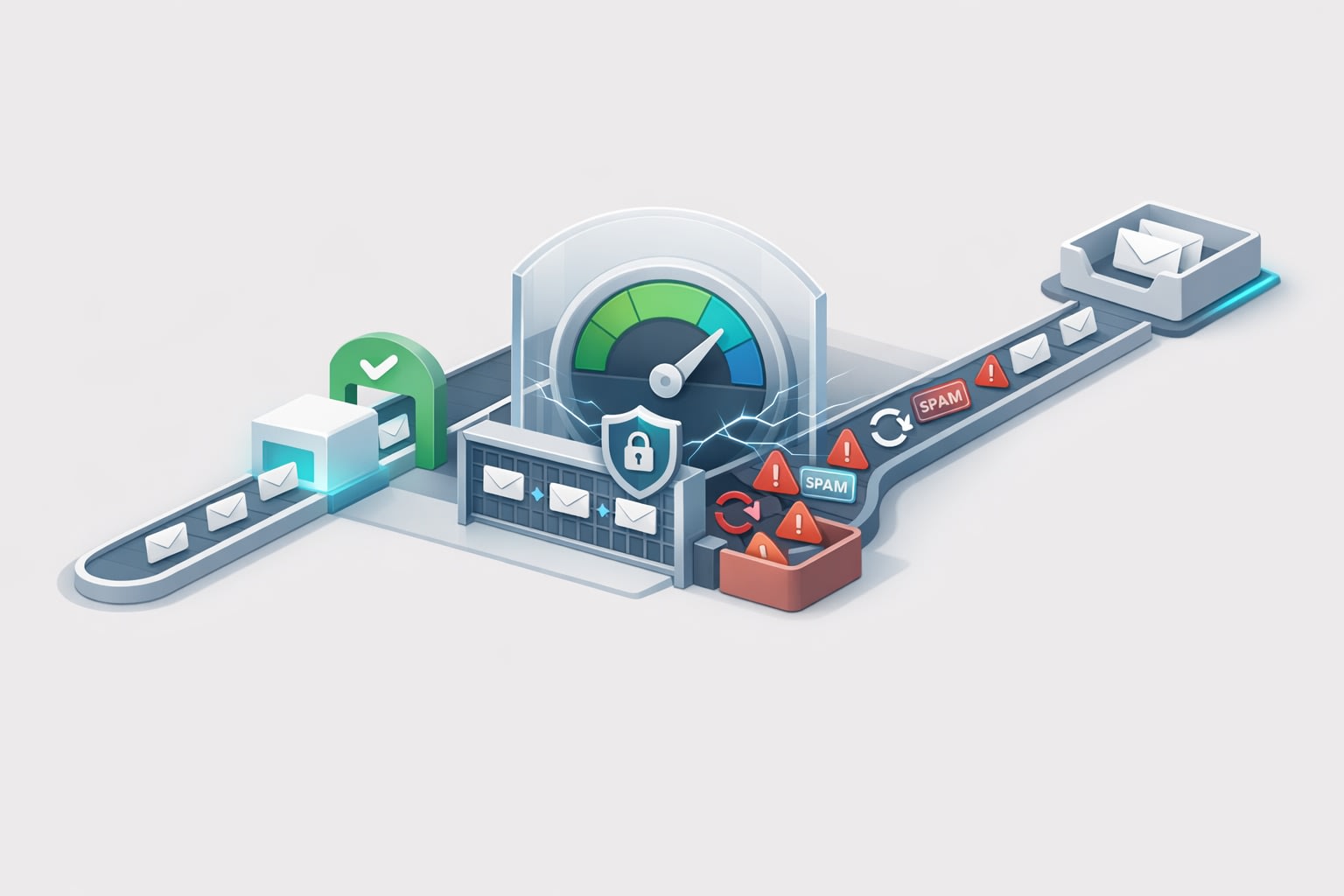
Budgets shouldn’t be “alerts only.” They should be hard gates. If a tool hits its limit, return a structured error that the agent can handle, rather than letting the request proceed.
Why budgets are more than DoS protection
Budgets also reduce exfiltration bandwidth. Even if an attacker manages to coerce one allowed call, small response caps and strict rate limits make the incident containable and observable. This is the same philosophy behind integration hygiene: keep noisy, uncontrolled connections from polluting your systems. If you’ve dealt with alert fatigue from chat and ticket integrations, the idea maps cleanly—see the internal checklist mindset in Integration Debt Audit Checklist to Keep Slack and GitHub Noise Out of Linear.
Principle 2: DNS-based allowlisting, done defensively
Many teams start with hostname allowlists (“only call api.vendor.com”). Hostname allowlisting is necessary, but not sufficient, because what matters at execution time is the IP that actually receives the traffic. DNS-based allowlisting at the edge means you treat DNS resolution as part of the security decision, and you don’t assume it’s stable.
Key requirements for DNS-based allowlisting
- Resolve and pin the destination at decision time, and enforce the resolved IP at connection time.
- Respect TTL carefully: re-resolve when TTL expires, but do so under policy—don’t allow a silent drift to a new IP without checks.
- Block private and link-local ranges: deny RFC1918, localhost, link-local, metadata endpoints, and other non-public ranges unless a tool explicitly requires internal access.
- Guard against rebinding: don’t allow a hostname to switch from public to private IPs across resolutions.
- Use zone-based policy: allow “.vendor.com” only when you control the vendor relationship and can tolerate subdomain sprawl; otherwise pin exact hostnames.
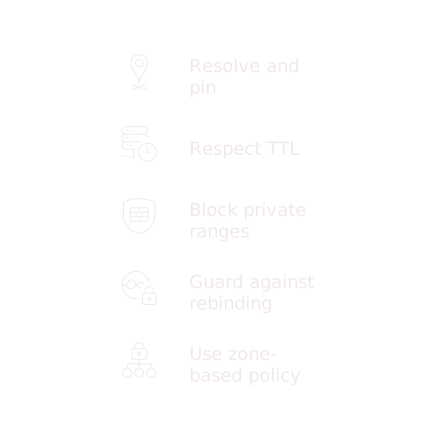
This approach is easiest to operationalize at the edge because the enforcement point can consistently apply DNS policy before establishing outbound connections. The “fail-closed” part is critical: if DNS fails, returns multiple answers you can’t classify, or produces an IP outside policy, you deny the call.
Putting it together at the edge with an egress proxy pattern
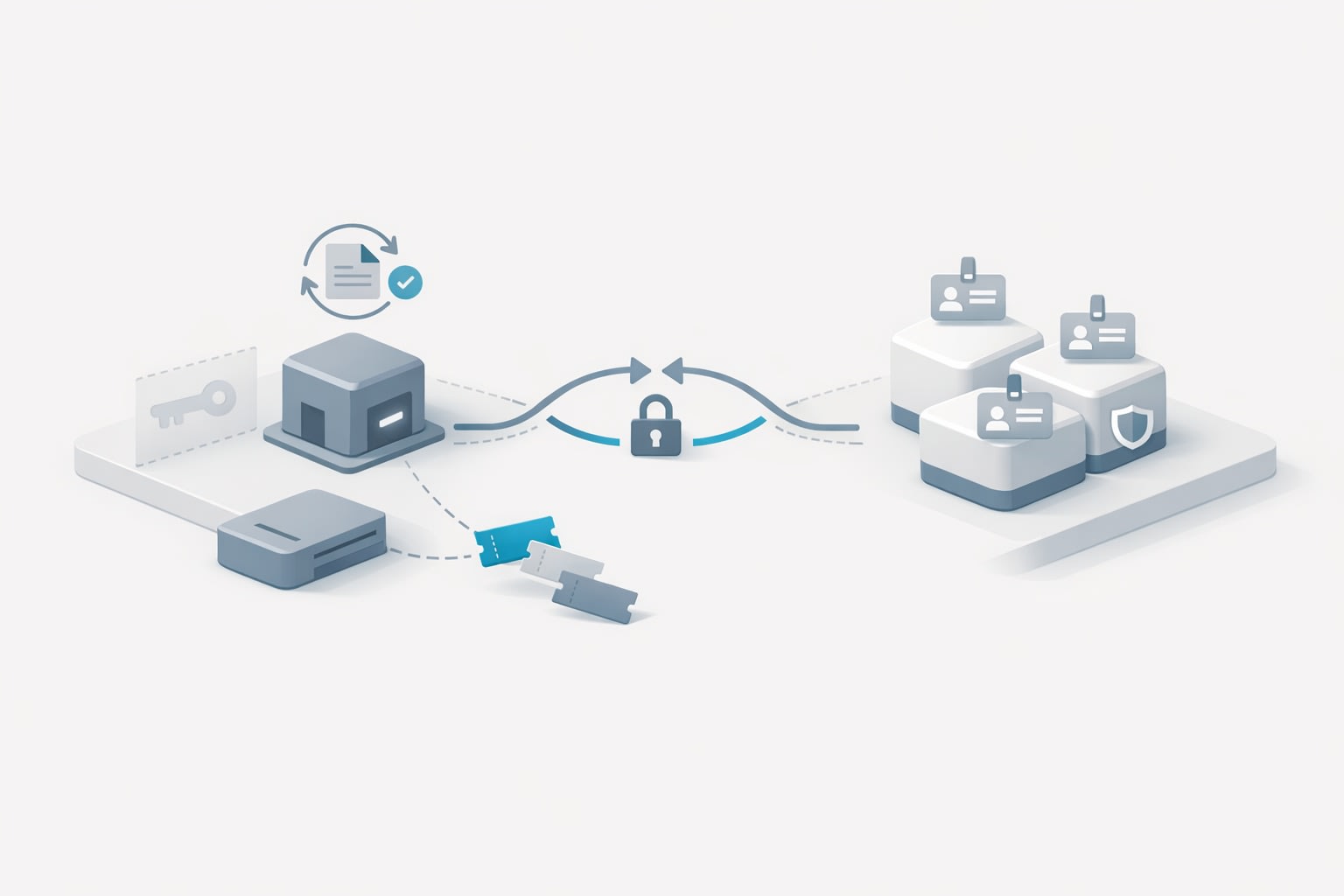
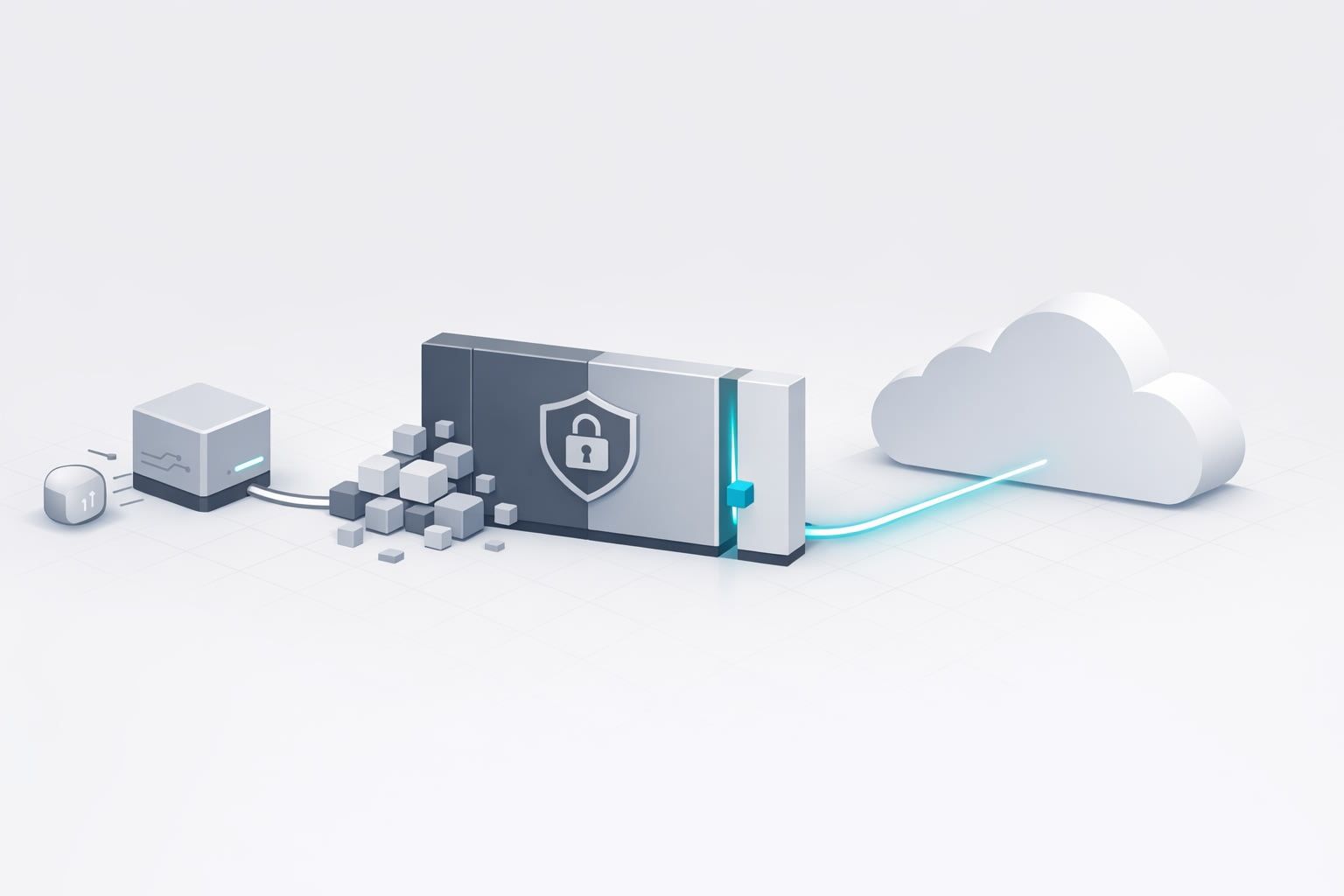
A practical architecture is to make all tool calls go through a single egress layer (an outbound proxy or gateway). The agent never talks directly to the Internet. Instead, the agent emits a structured request like:
- tool_name
- intended_host
- path
- method
- headers (sanitized)
- body (size-limited)
- declared_purpose (for audit)
The egress layer then:
- Authenticates the caller (service identity, not user-provided tokens).
- Loads the per-tool policy (allowlist + budgets).
- Performs DNS resolution under control and validates the result.
- Enforces IP allowlisting and blocks private ranges by default.
- Applies budgets (rate, concurrency, bytes, timeouts).
- Executes the request and returns a normalized response.
- Logs a high-signal audit trail (tool, destination, resolved IP, policy decision, bytes, latency, outcome).
This pattern also makes incident response more realistic. Instead of reconstructing “what the model did,” you can query a single audit stream of outbound intent and outcomes.
How to prevent policy drift and “shadow tools”
Most egress failures aren’t dramatic attacks; they’re slow drift: someone adds a new SaaS endpoint, a vendor moves IPs, or an internal team bypasses the proxy “temporarily.” Two guardrails help:
- Tool registration: a tool doesn’t exist until it has an owner, a policy, and a budget. Unknown tools are rejected by default.
- Change control with observability: when you add a hostname, you also add expected response sizes, methods, and rate limits. Watch for deviations, not just failures.
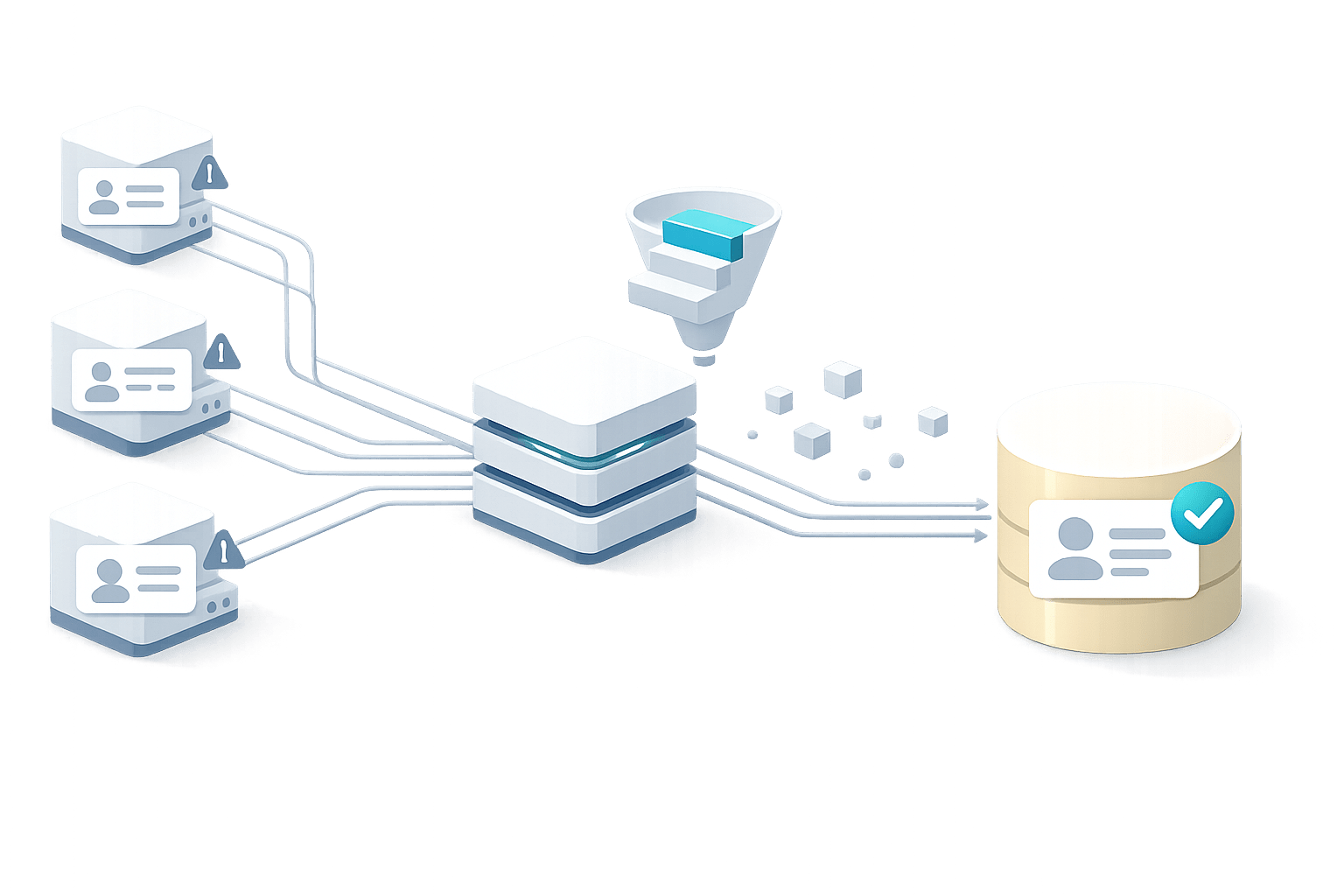
If you already track integrity issues in knowledge retrieval systems, the same discipline applies: sign and validate the pipeline that produces allowlists and budgets, so attackers can’t quietly loosen policy. The idea parallels hardened content pipelines described in Detecting Poisoned RAG Retrievers With Signed Knowledge-Base Pipelines.
Operational checklist for fail-closed tool egress
- Default deny on outbound egress; allow only via the tool gateway.
- Per-tool allowlist for hostnames and, where feasible, IP ranges.
- DNS resolution under policy with rebinding protection and private-range blocking.
- Hard budgets for rate, concurrency, bytes, timeouts, and cost-per-tool.
- Path and method constraints to prevent “API-shaped SSRF.”
- High-signal logs including resolved IP and policy reason codes.
- Regular review of top destinations and denied attempts to tune policy without widening it blindly.
When these controls live at the edge, you gain a consistent enforcement point that’s difficult to bypass and easy to audit, without having to rely on the model to “behave.”