The low-volume trap and how to warm up inboxes for irregular sending
Jamie
Why irregular sending patterns trigger the low-volume trap
The “low-volume trap” happens when a sender emails infrequently—then suddenly increases volume for a launch, a quarterly update, or a sales push. The problem isn’t just the spike. It’s the lack of recent, consistent reputation signals. Mailbox providers evaluate whether your domain and mailbox behave like a reliable sender, and irregular patterns can look like compromise, list abuse, or a campaign that recipients don’t value.
Even if your list is clean and your content is legitimate, a long quiet period can leave you with thin engagement data. Then when you send a bigger campaign, the first wave may underperform (fewer opens, fewer replies, more deletes), and that weak early performance can cascade into worse inbox placement for the rest of the send.
What “warming up” really means when you don’t send every day
Classic warmup advice assumes you’ll be sending regularly. But for irregular senders, warmup is less about reaching a big daily volume and more about maintaining a steady baseline of positive signals so your next “real” email doesn’t land cold.
Those signals can include:
- Consistent sending cadence (even low)
- Positive engagement (opens, replies, “not spam” actions)
- Healthy list behavior (low bounce rate, low complaints)
- Predictable technical identity (stable domains, aligned authentication)
If you only email once a month, you can still build and preserve reputation—but you need a plan that bridges the gap between sends.
How inbox providers interpret silence, spikes, and sudden changes
Irregularity creates uncertainty. From a provider’s perspective, the riskiest moments are when something changes quickly:
- Long silence → sudden burst: looks like a new campaign on an unproven sender.
- New mailbox → immediate outreach: looks like a newly created account used for cold email.
- Domain or infrastructure change: resets assumptions about trust.
- Audience change: even legitimate segments can behave differently, altering engagement signals.
The goal is to reduce “surprise” by making your identity and behavior more continuous—so your next send feels like an expected event rather than a risky anomaly.
A practical warmup approach for senders who email irregularly
1) Establish a baseline cadence you can keep
If you can’t send newsletters weekly, don’t pretend you can. Instead, create a baseline you can sustain: for example, a small weekly internal update to a few highly engaged recipients, or a lightweight product note to a micro-segment that consistently interacts with your emails.
The baseline should be:
- Predictable (same day/time window when possible)
- Low volume but steady
- Engagement-friendly (recipients who actually want it)
This keeps your sender from going “dark” and reduces the shock of your next larger campaign.
2) Ramp volume before the real campaign, not on send day
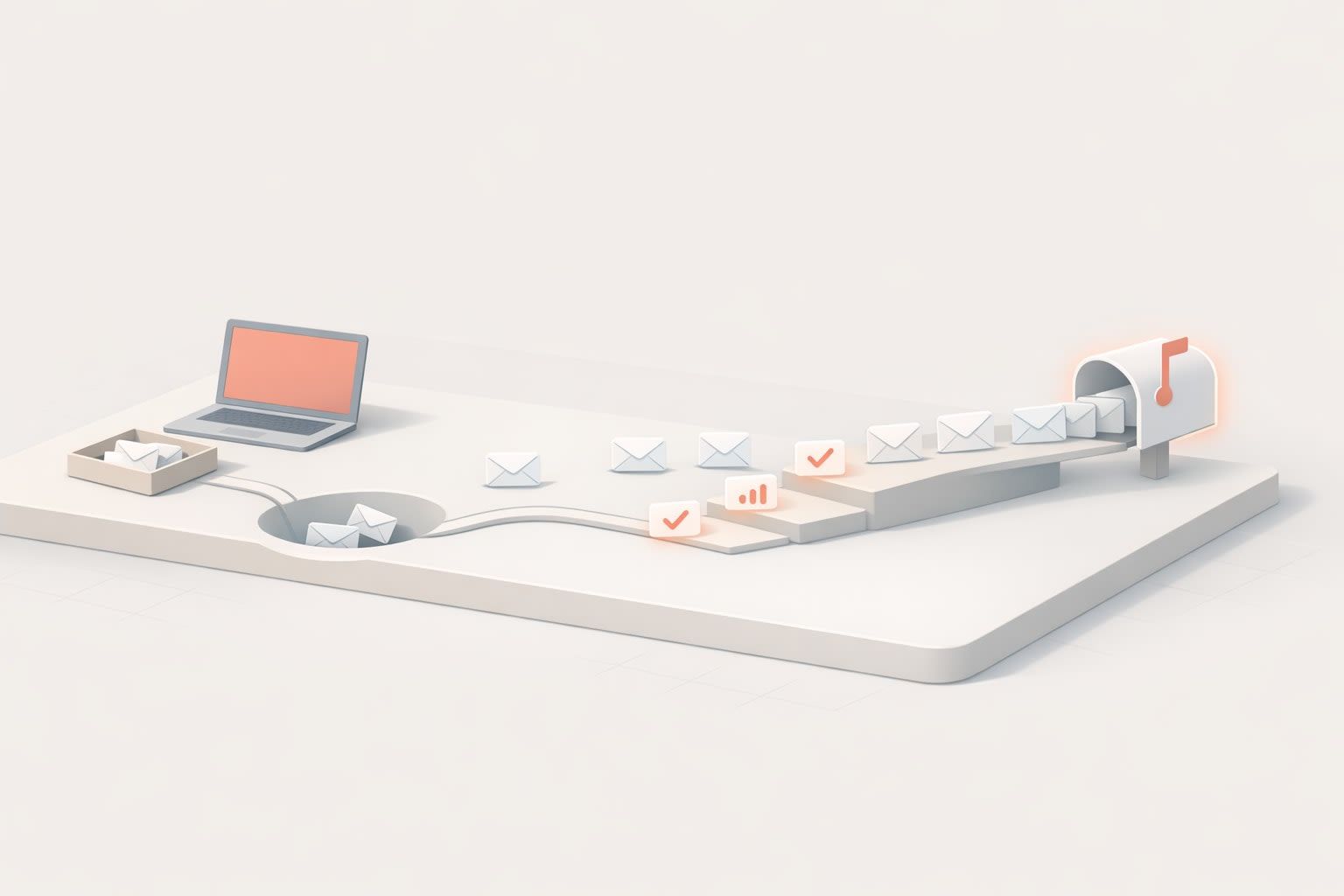
If you know you’ll send a bigger email on a specific date, start increasing volume in advance. Think of it like training before a race: you’re trying to avoid a single-day jump that creates negative early signals.
A simple pattern:
- 7–14 days out: begin adding small batches.
- 3–7 days out: expand to broader engaged segments.
- Send day: hit the full list only after engaged cohorts perform well.
This is also where operational discipline matters. If your teams create different segments and naming conventions, you can accidentally mix high-risk and low-risk audiences. The same kind of inconsistency that causes analytics confusion can undermine deliverability, so it’s worth addressing the operational “paper cuts” that compound over time—similar to the idea behind inconsistent campaign naming.
3) Start with the people most likely to engage
When you’re coming off a quiet period, your first batches should go to recipients who have recently interacted with you. This improves early performance and gives providers a clear signal that your mail is wanted.
Common high-intent groups include:
- Recent customers or trial users
- People who replied to prior threads
- Users who clicked onboarding or support emails
- Contacts you’ve emailed within the last 30–90 days
Avoid using your “coldest” segment as the first wave. Even if it’s the largest segment, it’s the most likely to ignore or delete—exactly the signals you don’t want at the start.
4) Keep content and threads human, not just “campaign-shaped”
Irregular senders often default to polished blasts because every send feels high-stakes. But a single big, templated email to a large list is the scenario most likely to underperform.
Balance campaign emails with smaller, conversational messages that naturally invite replies. Replies are a powerful engagement signal, and they’re also a sanity check that your audience still recognizes your brand.
5) Maintain inbox health between sends with warmup automation
If your business model makes consistent sending unrealistic, you can still keep reputation signals alive by using an email warmup and deliverability platform. mailwarm is designed for this exact kind of operational reality: it simulates human-like email activity and generates positive engagement signals (opens, replies, inbox interactions, and spam recovery actions) across major providers like Gmail and Outlook.
The key is that this kind of warmup helps reduce the “cold start” effect when you return to real sending—especially when you’re running multiple mailboxes or onboarding new sender identities.
Technical basics that matter more when you send irregularly
Irregular patterns amplify small technical issues. Before any ramp, make sure the fundamentals are clean:
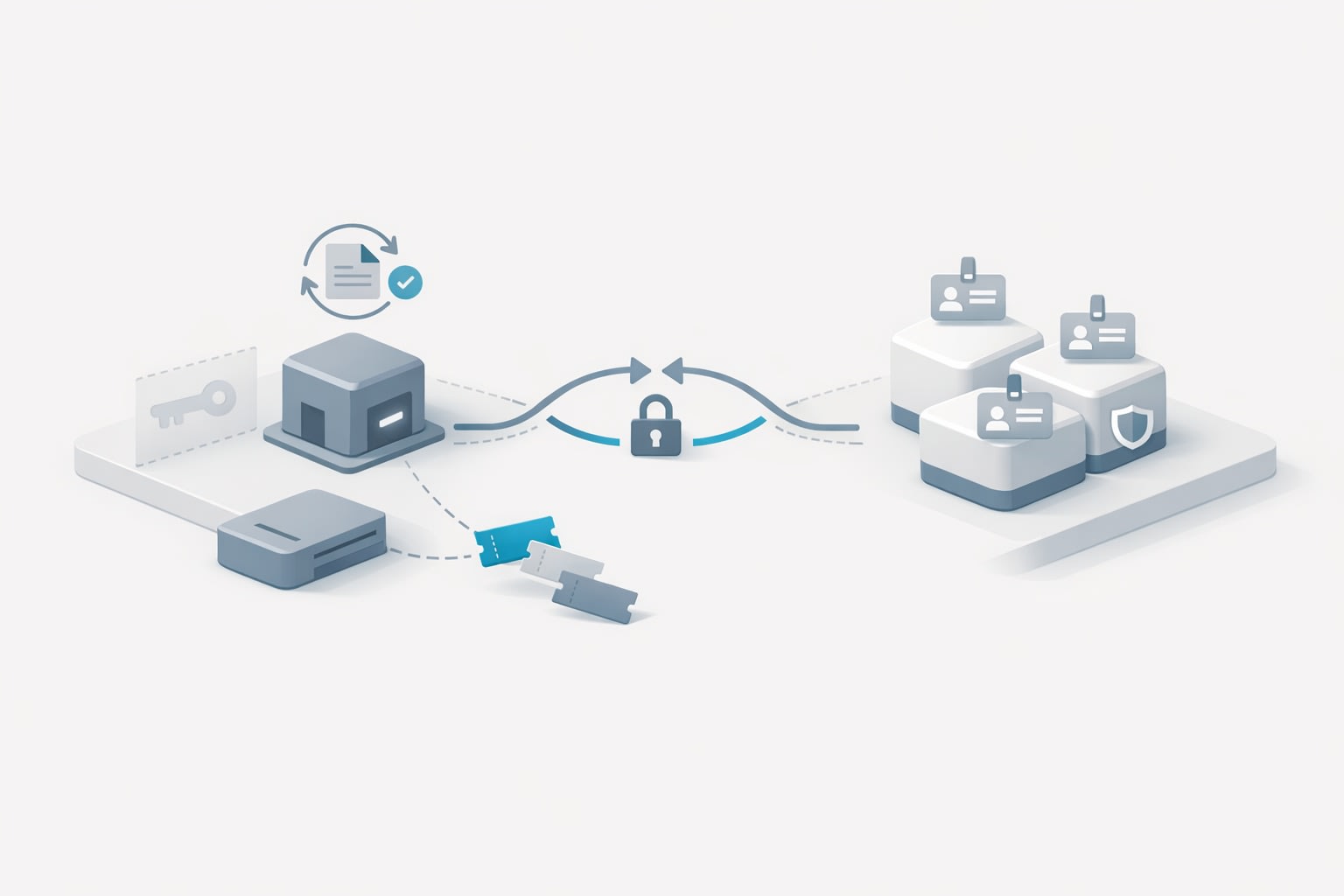
- Authentication alignment: SPF, DKIM, and DMARC should be configured correctly and consistently across your sending sources.
- Stable “From” identity: frequent changes to display name, from-address, or domain can reset recognition and trust.
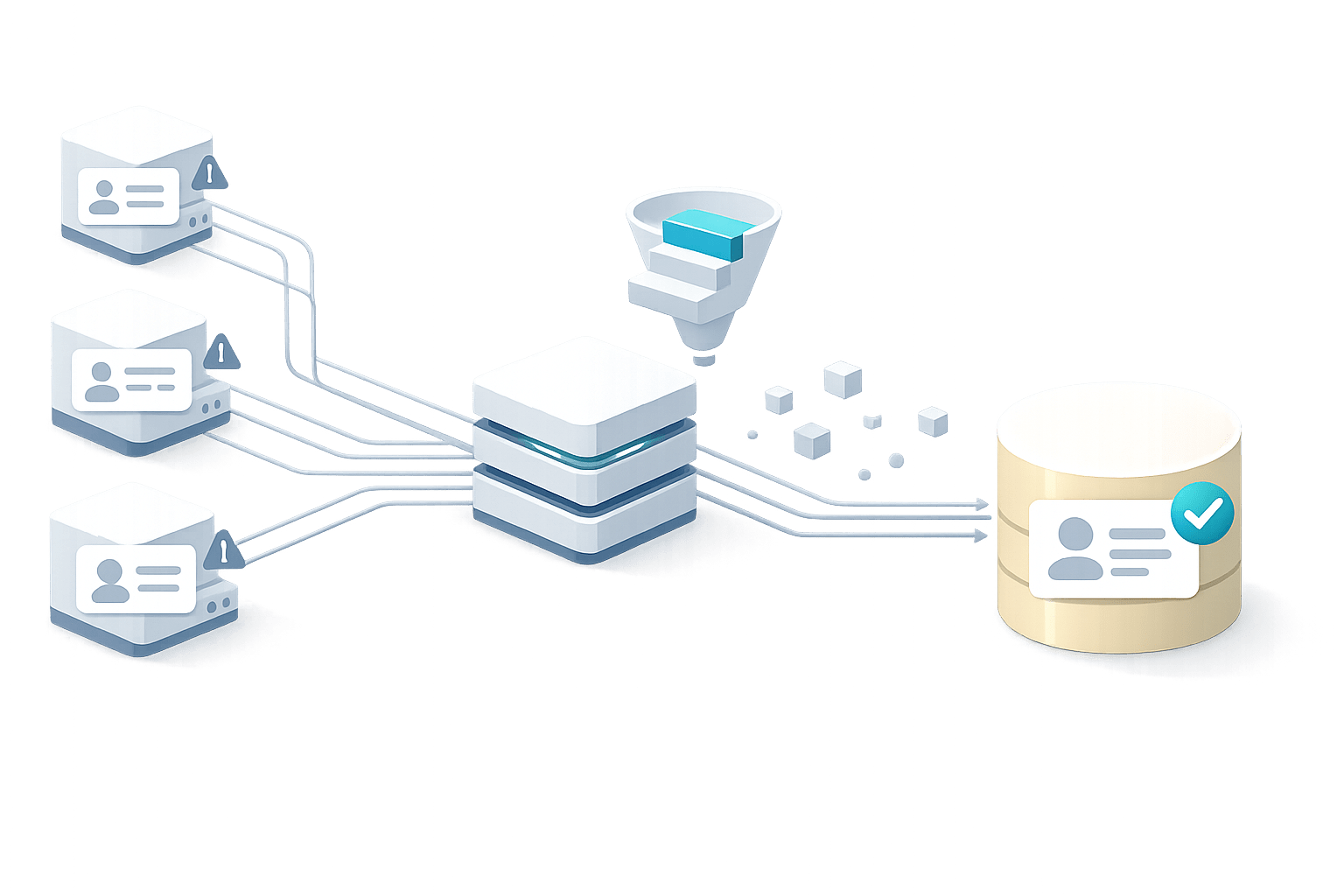
- List hygiene: remove hard bounces quickly; suppress chronic non-engagers; be cautious with old lists.
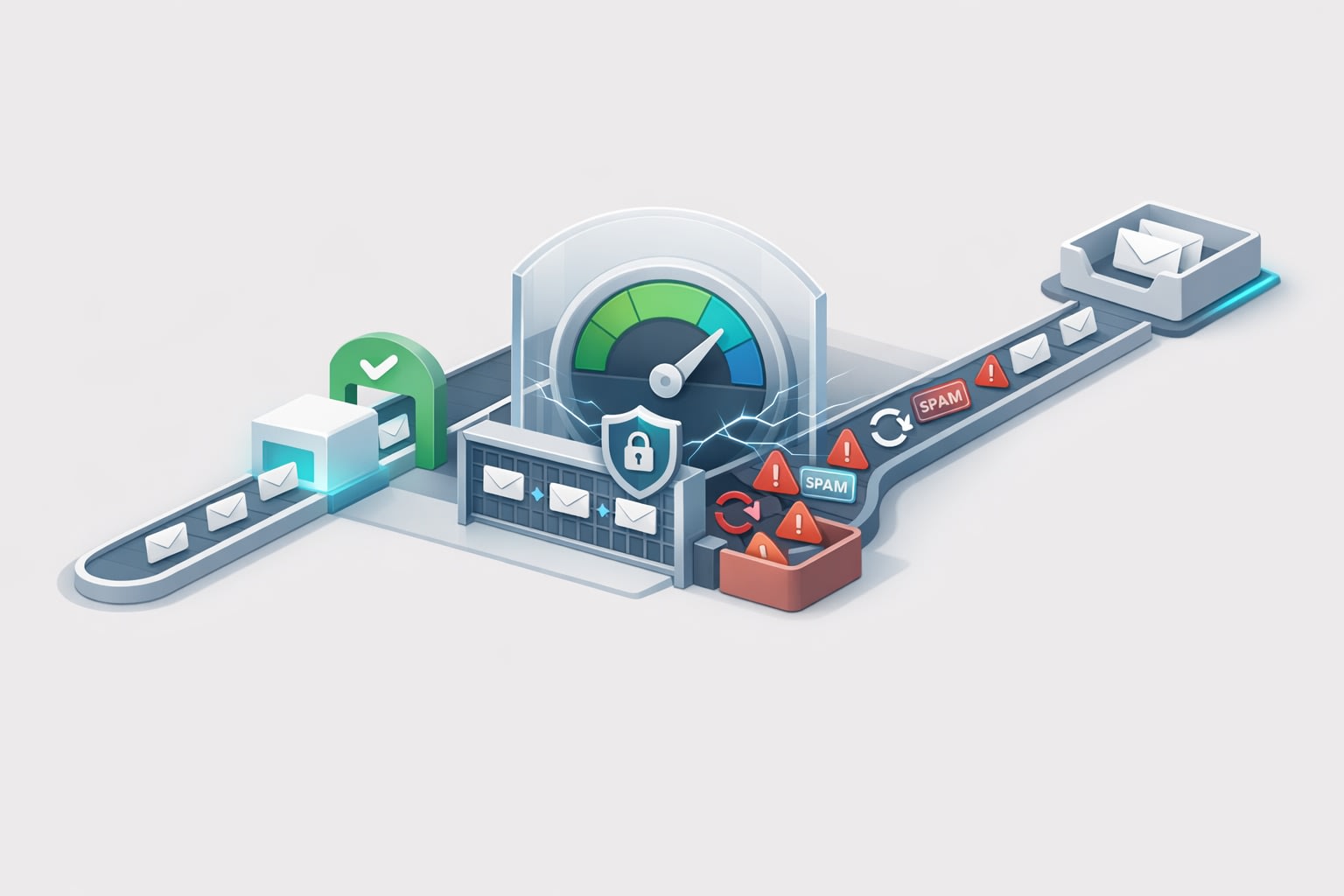
- Complaint visibility: watch for early warning signs—spikes in complaints, bounces, or sudden drops in opens.
Deliverability is not only a marketing problem. Support, sales, and product emails all influence your domain reputation. When the same users get multiple messages from different teams, duplicative outreach can quietly harm engagement. This is one reason it’s useful to reduce overlap and duplication across customer touchpoints, similar to how teams address “double work” in feedback systems described in spotting duplicate requests across support and sales.
Common mistakes that keep irregular senders stuck
- “We’ll just send smaller”: if you never rebuild recent engagement signals, inbox placement can remain unstable.
- Warming only once: a one-time warmup helps, but long silence can undo gains.
- Segmenting by convenience: sending to the biggest list first instead of the most engaged list first.
- Changing too many variables at once: new tool + new domain + new copy + new list equals unclear root causes.
What to monitor so you know the warmup is working
Warmup isn’t about a single metric. Watch trends across sends:
- Inbox placement (not just delivered vs. bounced)
- Open and reply rates in early batches
- Spam folder incidence and “not spam” recoveries
- Bounce rate and suppression growth
- Performance by provider (Gmail vs. Outlook can behave differently)
If early engaged cohorts perform well but broader segments collapse, that’s usually a list-quality or targeting problem. If everything drops across the board, it’s more likely an identity, reputation, or infrastructure issue—often tied to the irregularity itself.