Adaptive Retest Window for the Digital SAT to Redo Missed Questions at the Right Time
Jamie
Why timing matters when you redo missed Digital SAT questions
On the Digital SAT, the fastest score gains usually come from fixing repeatable mistakes: a shaky grammar rule, a recurring algebra move, or a reading habit that leads you to pick tempting wrong answers. But many students waste that opportunity by retesting either too soon (they remember the answer) or too late (the mistake becomes a pattern).
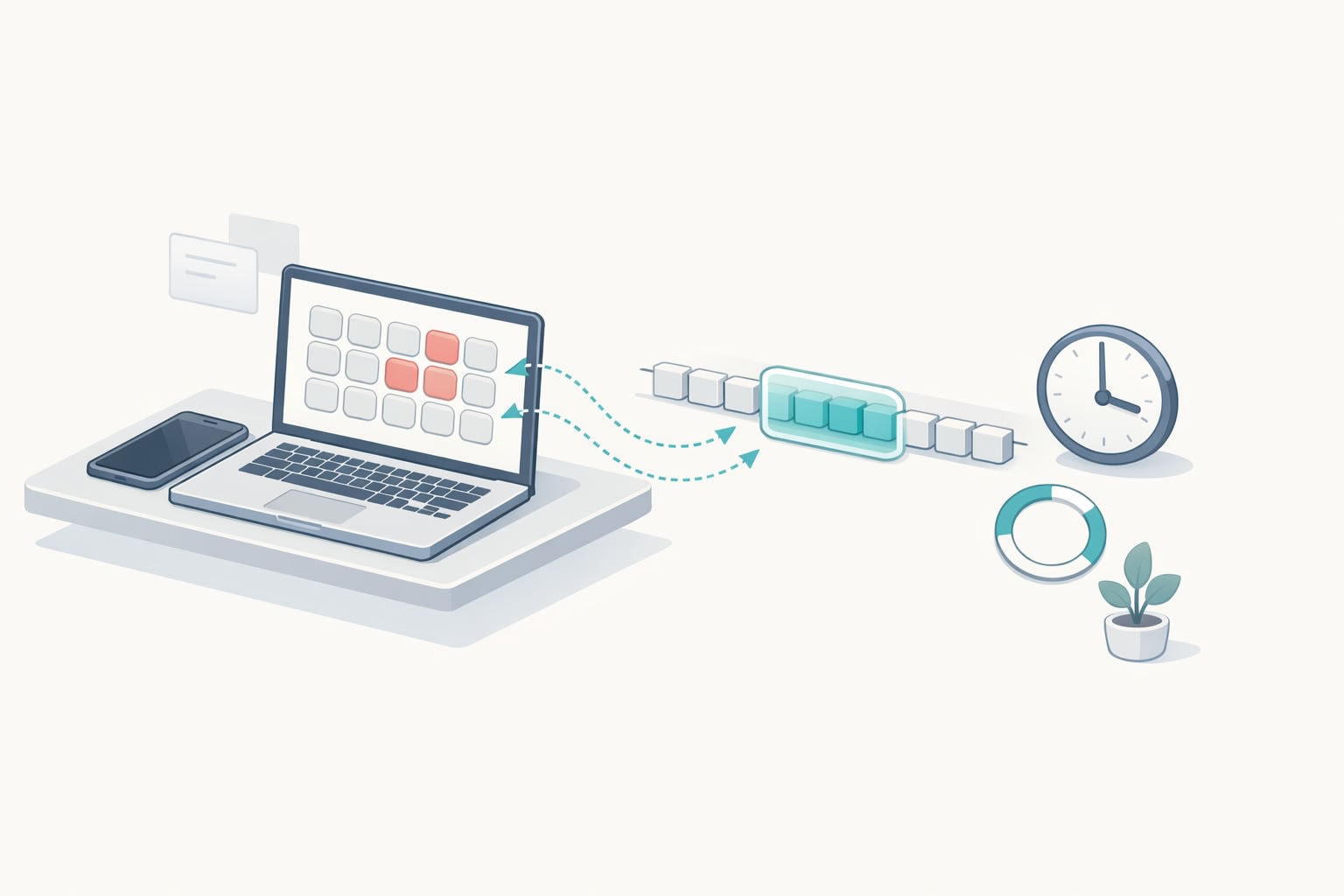
The “adaptive retest window” is a simple timing framework for deciding when to redo a missed question so the skill locks in, and when to move on because you’ve already learned what you needed. Think of it as spacing plus realism: you want enough time that you can’t rely on short-term memory, and you want the retest to look like the real exam—new wording, new numbers, same underlying skill.
What the adaptive retest window is
The adaptive retest window is the time period after you miss a question when a retest is most useful for learning. It adapts based on the type of mistake and the difficulty and frequency of the skill.
Instead of treating all misses the same, you treat them like different “failure modes,” each with a best next step:
- Concept gap: you didn’t know a rule or method.
- Process gap: you know it, but your steps are unreliable (setup, algebra, parsing, evidence selection).
- Execution slip: you made a careless error (sign, arithmetic, misread, clicked the wrong option).
- Time-pressure miss: you ran out of time or guessed without a plan.
The “window” is how you match those categories to a retest schedule that builds durable recall and test-day consistency.
A practical retest schedule that fits most Digital SAT prep
Window 1: Same day retest (after you can explain the solution)
Use this window when the miss was a concept gap or process gap. The goal isn’t to “get it right”—it’s to prove you can teach it.
- Re-solve the question without looking until you can write or say the key idea in one sentence.
- Then do a near-variant: same skill, slightly different numbers or phrasing.
If you can’t produce a clean explanation, you’re not ready for spacing yet—you’re still in the learning phase.
Window 2: 24–48 hours later (the first memory-free check)
This is the first retest that actually measures learning, because short-term memory starts to fade. It’s especially useful for process gaps (algebra setup, reading evidence selection, grammar decision trees).
- Redo the original question only if you can’t find a good variant.
- Prefer doing 2–3 fresh questions targeting the same micro-skill.
On the Digital SAT, where questions are short and skills repeat, this window is where your score begins to move—if your practice is targeted.
Window 3: 7 days later (durability under realistic conditions)
This window is for locking in skills so they show up on test day. A week later, you’re far less likely to remember the specific answer choices, which makes the retest more honest.
- Do the skill in a mixed set (not all one topic).
- Add a light time constraint to mimic the exam.
If the mistake returns after a week, it’s usually not “bad luck.” It’s a sign the skill needs a tighter method or clearer triggers.
When to redo the same question vs. when to switch to variants
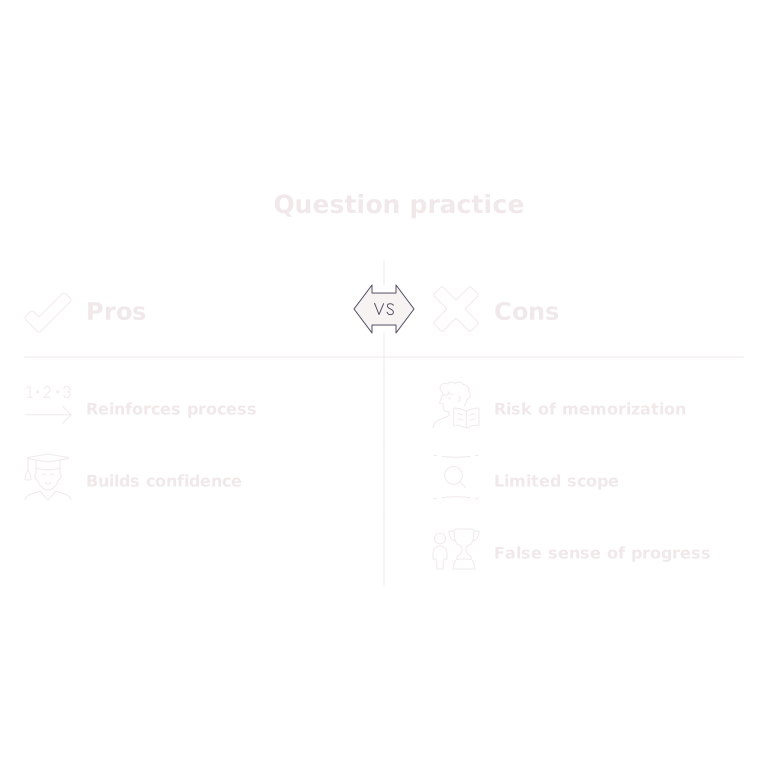
Redoing the exact same missed question is sometimes helpful, but it’s easy to fool yourself. Use this rule:
- Redo the same question when the learning objective is the process (setting up equations, identifying the sentence error, mapping a claim to evidence). You want to rehearse the correct steps cleanly.
- Switch to variants when the learning objective is the recognition trigger (spotting which grammar rule applies, choosing which algebra tool to use, identifying the role of a sentence). Variants prevent memorization.
Digital SAT prep works best when you treat each miss as “what signal did I miss?” rather than “what answer did I miss?”
When to move on because the skill is already locked in
Retesting has diminishing returns. Move on when you hit two conditions:
- Consistency: you can get the skill right across 3–5 variant questions on two separate days.
- Clarity: you can state the rule or method in a sentence and describe the most common trap.
If you keep redoing a question even after you meet these conditions, you’re spending time on comfort rather than growth. That time is better used on the next weakest skill.
When not to retest yet (and what to do instead)
Sometimes the right move is to pause retesting and improve the underlying system.
If you got it wrong for a “careless” reason more than once
That’s rarely just carelessness—it’s a missing checklist. Create a 5-second scan you always do:
- Math: sign, units, plugging back, answer choice format.
- Reading/Writing: subject-verb agreement, pronoun reference, punctuation boundaries, question stem focus.
Then retest in 24–48 hours to see if the checklist actually prevents the slip.
If the miss was time-pressure related
Don’t immediately retest the same question slowly. First, rebuild the decision rule:
- What was the fastest valid approach?
- What should you have skipped?
- What clue would have told you it was a time trap?
Then practice the same skill with a strict time cap in a mixed set.
How to implement the adaptive retest window with an app-based workflow
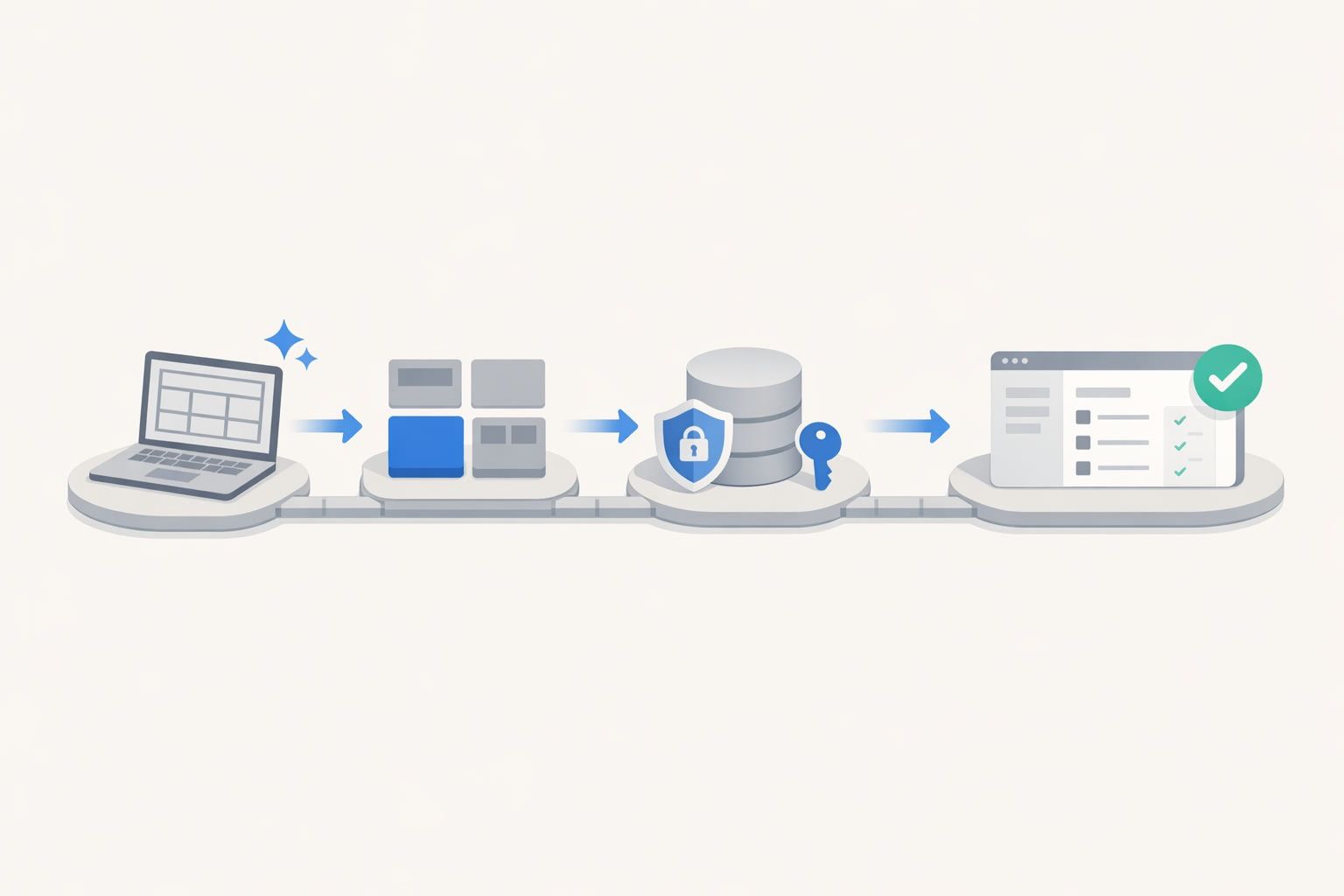
The hard part isn’t understanding the idea—it’s executing it consistently. You need three things: tagging the miss correctly, scheduling the retest, and getting clean variants.
This is where an adaptive platform like getsharp fits naturally: you can focus practice around weak skills, review step-by-step explanations, and then come back to the same skill after spacing. The best results come when your review notes are short and actionable (one sentence rule + one common trap), and your next set is intentionally mixed so you don’t rely on pattern recognition.
If you like systems thinking, treat each recurring mistake as “feedback you haven’t converted into a process yet.” That same idea shows up in other disciplines as feedback debt—and SAT prep improves quickly when you pay that debt down with a repeatable method instead of more volume.
A simple template to track retests without overcomplicating it
- Miss tag: concept / process / execution / time.
- Fix note (one sentence): the rule or method you’ll use next time.
- Retest plan: same day (learn), 48 hours (verify), 7 days (lock).
- Stop rule: move on after two-day consistency + clear explanation.
That’s the adaptive retest window in practice: retest soon enough to correct the path, spaced enough to be real, and limited enough that you keep progressing to new skills.