How to Turn Google Business Profile Views Into Bookings With 360° Photos
Jamie
Start with a Google Business Profile that can actually convert
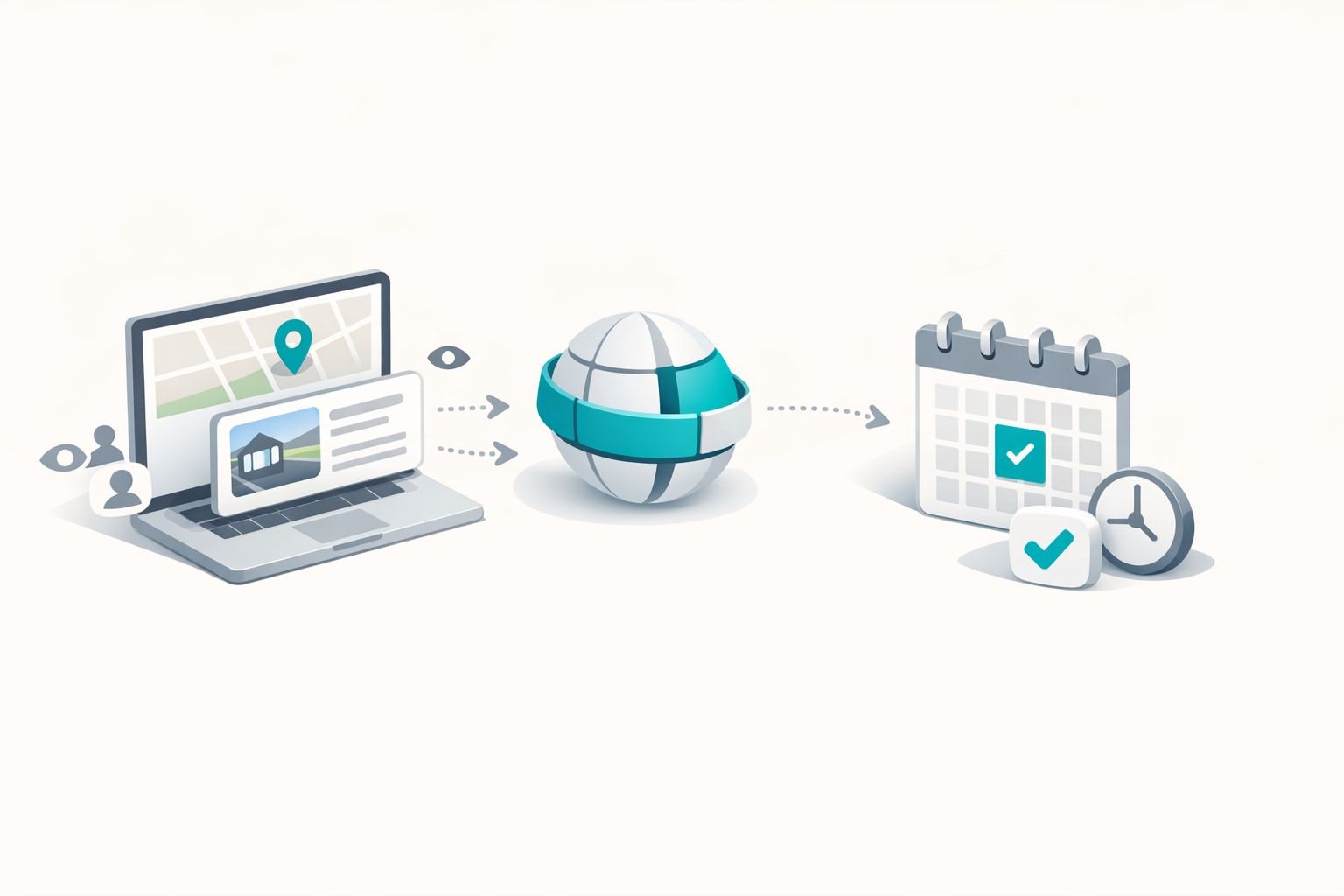
For hotels and restaurants, Google Business Profile (GBP) is often the first “front desk” a potential guest encounters. People see your listing on Maps or in the local pack, skim your photos, check hours, and make a decision in seconds. The goal isn’t just more views—it’s fewer drop-offs between discovery and booking.
This checklist focuses on the conversion layer of local SEO: what to fix in GBP so views turn into actions (calls, reservation clicks, direction requests, and website visits), and how immersive 360° photos can reduce uncertainty for first-time guests. Agencies like kiksmedia.com typically treat GBP as a living asset—one that needs structured maintenance, not a one-time setup—especially in hospitality where visuals and trust signals do the heavy lifting.
Local SEO checklist for hotels and restaurants
1) Lock down your core listing details and remove friction
Before adding anything new, make sure the basics are accurate and consistent everywhere your business is referenced:
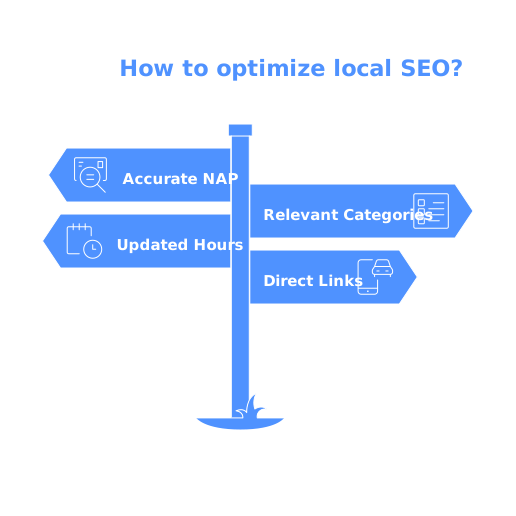
- Name, address, phone (NAP): Keep it identical across GBP, your website, and key directories. Minor variations can create duplicate listings or dilute ranking signals.
- Primary and secondary categories: Choose the closest primary match (e.g., “Hotel,” “Resort Hotel,” “Seafood Restaurant”). Add secondary categories only if they genuinely apply.
- Hours and special hours: Hotels should confirm front desk/check-in related hours where applicable; restaurants must keep holiday and event schedules up to date.
- Website and booking/reservation links: Use the most direct landing page possible (not your homepage if it adds extra steps). Make sure the booking engine opens cleanly on mobile.
A practical way to keep these details from drifting over time is to standardize your campaign and tracking conventions. If you use UTMs for GBP links, keep naming consistent—otherwise reporting becomes noisy and misleading. This is the same kind of operational issue described in the UTM tax and the fix for inconsistent campaign naming.
2) Build conversion-focused service details guests actually look for
Hospitality searchers aren’t just confirming you exist—they’re scanning for suitability. Use GBP fields and attributes to answer common “fit” questions:
- Hotels: parking, pet policy, accessibility, pool, gym, airport shuttle, resort fees, check-in/check-out expectations.
- Restaurants: outdoor seating, reservations accepted, live music, family-friendly, dietary options, delivery/takeout availability.
Also fill out your description with clear positioning: neighborhood cues, signature experiences, and who you’re best for (business travelers, couples, families, pre-park dining, etc.). Keep it factual and readable—no keyword stuffing.
3) Treat photos as your strongest booking tool, not decoration
Photos are one of the quickest ways to reduce doubt, especially for first-time visitors. A hotel guest wants to know: “Will this feel clean, modern, and calm?” A diner wants to know: “Is this my vibe, and can I picture myself there tonight?”
At minimum, ensure you have:
- High-quality exterior shots: make arrival obvious (especially for properties in plazas or resorts).
- Interior context: lobby/entry, dining room, bar, seating variety.
- Signature moments: pool, views, key amenities, chef plating, cocktails, popular dishes.
- Team and service cues: staff at host stand, front desk, or service interactions (professional and welcoming).
Keep photos current. If you renovate, change seating layouts, update signage, or refresh branding, update GBP visuals immediately so expectations match reality.
4) Add 360° photos to remove uncertainty and shorten decision time
360° photography is a conversion asset because it answers the unspoken questions that standard photos can’t:
- Scale and flow: How big is the dining room? Is it cramped? Where is the bar relative to the entrance?
- Atmosphere: Does it feel upscale, casual, lively, or quiet?
- Trust signals: Cleanliness, maintenance, and professionalism become more obvious.
For hotels, 360° views of the lobby, common areas, and key amenities can improve confidence before a guest ever clicks “Book.” For restaurants, a 360° walk-through of the entry and main dining spaces helps potential customers self-qualify quickly—particularly valuable for groups, celebrations, or travelers choosing unfamiliar options.
Implementation tip: map out a simple “tour path” before shooting. Prioritize the spaces that matter most to first impressions and purchasing decisions. A Florida-based hospitality-focused team like KiksMedia often approaches this as part of a broader local visibility and conversion strategy—ensuring the visuals, listing structure, and landing pages work together.
5) Make your GBP calls-to-action match your actual customer journey
GBP can generate multiple kinds of actions. The mistake is treating them as equal. Decide what matters most and optimize toward it:
- Hotels: direct bookings (website/booking link), calls for availability, directions for same-day arrivals.
- Restaurants: reservation clicks, calls, menu views, directions during peak hours.
Align your landing page with the intent. If the click is “Reserve,” send people to a reservation-enabled page with minimal distractions. If it’s “Call,” ensure your phone routing works during business hours and voicemail is informative after hours.
6) Use Posts and Offers to keep your listing “alive”
GBP Posts are often underused in hospitality because they feel optional. In practice, they’re a lightweight way to show relevance and activity. Use them to highlight:
- seasonal packages (hotel stays, local events, holiday weekends)
- happy hour, prix fixe menus, chef’s specials
- live music nights, tasting events, brunch features
Focus on clarity: what it is, who it’s for, the date range, and a simple next step (book/reserve/learn more).
7) Review strategy: aim for specificity, recency, and response quality
Reviews influence both rankings and conversion. For hotels and restaurants, the content of reviews matters as much as the star rating—because travelers and locals scan for details that match their needs.
- Request reviews at the right moment: post-checkout email for hotels; after the meal for restaurants (receipt QR, follow-up text, or email for reservations).
- Encourage detail: ask guests to mention the room type, amenities, specific dishes, service moments, or occasion.
- Respond consistently: thank positives, address negatives calmly, and show what you changed when appropriate.
If you’re seeing repeated complaints (slow service at peak, noise levels, check-in delays), treat that as operational data—then fix it and mention the improvement in responses. Otherwise the same issue keeps resurfacing, which can create a long-term trust drag. That pattern mirrors the product-side dynamic discussed in The Silent Queue Problem and How to Keep Customer Bugs From Derailing Your Roadmap: unaddressed issues quietly pile up until they impact outcomes.
8) Prevent duplicates and keep your listing clean over time
Duplicate listings, outdated phone numbers, and old addresses can siphon off bookings—especially in hospitality where guests are time-sensitive. Schedule a monthly GBP hygiene check:
- search your brand name and address variations to spot duplicates
- verify pins are correct and entrances are clear
- confirm the right booking link is still active
- review your Q&A for inaccurate answers and add official responses
How to measure whether GBP views are turning into bookings
“More views” is not the KPI you’re after. Track actions that indicate purchase intent, then connect them to outcomes:
- Primary GBP actions: website clicks, calls, direction requests, menu clicks (restaurants)
- On-site behavior: booking engine starts, reservation submissions, call tracking outcomes
- Photo performance: monitor whether photo updates correlate with lifts in actions during the same period
When you add 360° imagery, look for a reduction in “bounce-like” behavior (short sessions, quick back clicks) and an increase in high-intent actions. The goal is not to impress everyone—it’s to help the right guests decide faster.
A practical rollout plan in one week
- Day 1: audit NAP, categories, hours, links, attributes
- Day 2: fix landing page alignment for booking/reservations
- Day 3: refresh core photo set (exterior, interior, signature items)
- Day 4: plan and capture 360° tour path for key spaces
- Day 5: publish a Post tied to a real offer/event
- Day 6: implement a review request flow and response cadence
- Day 7: baseline metrics and set a monthly hygiene reminder