Cryptographic Receipt Trails for AI Agent Actions With Signed Tool Transcripts
Jamie
Why AI agents need receipt trails, not just logs
AI agents increasingly do real work: they call APIs, write files, deploy code, update CRM records, and trigger payments. Traditional application logs describe what happened, but they rarely prove it. They can be edited after the fact, lack strong identity guarantees, and don’t reliably bind an action to the exact inputs the agent saw at the moment it acted.
A cryptographic “receipt” trail upgrades observability into evidence. The goal is to produce artifacts that can stand up to audits, incident response, customer disputes, and internal postmortems—without requiring everyone to trust one logging database. Done well, a receipt trail is tamper-evident, time-anchored, and specific: it shows which tool was called, with which parameters, what result came back, and which agent policy/version authorized it.
Core idea: signed tool transcripts plus edge timestamping
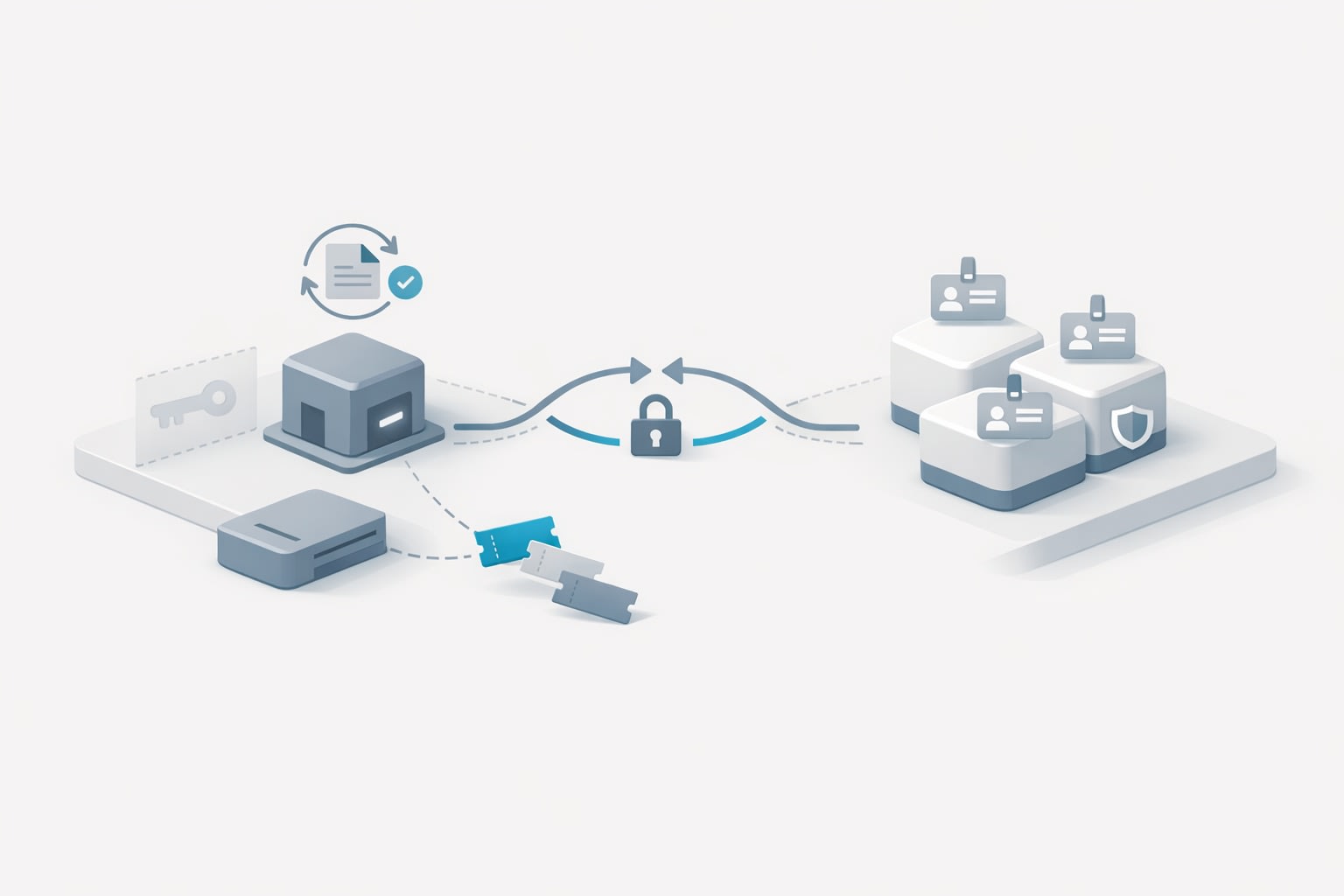
The simplest mental model is: every tool call is a mini-transaction, and every transaction produces a receipt. A “tool transcript” is a structured record of the request and the response. To make that transcript verifiable, you (1) canonicalize it, (2) hash it, (3) sign it with a key that represents the actor or the runtime, and (4) anchor it to time in a way that is hard to backdate.
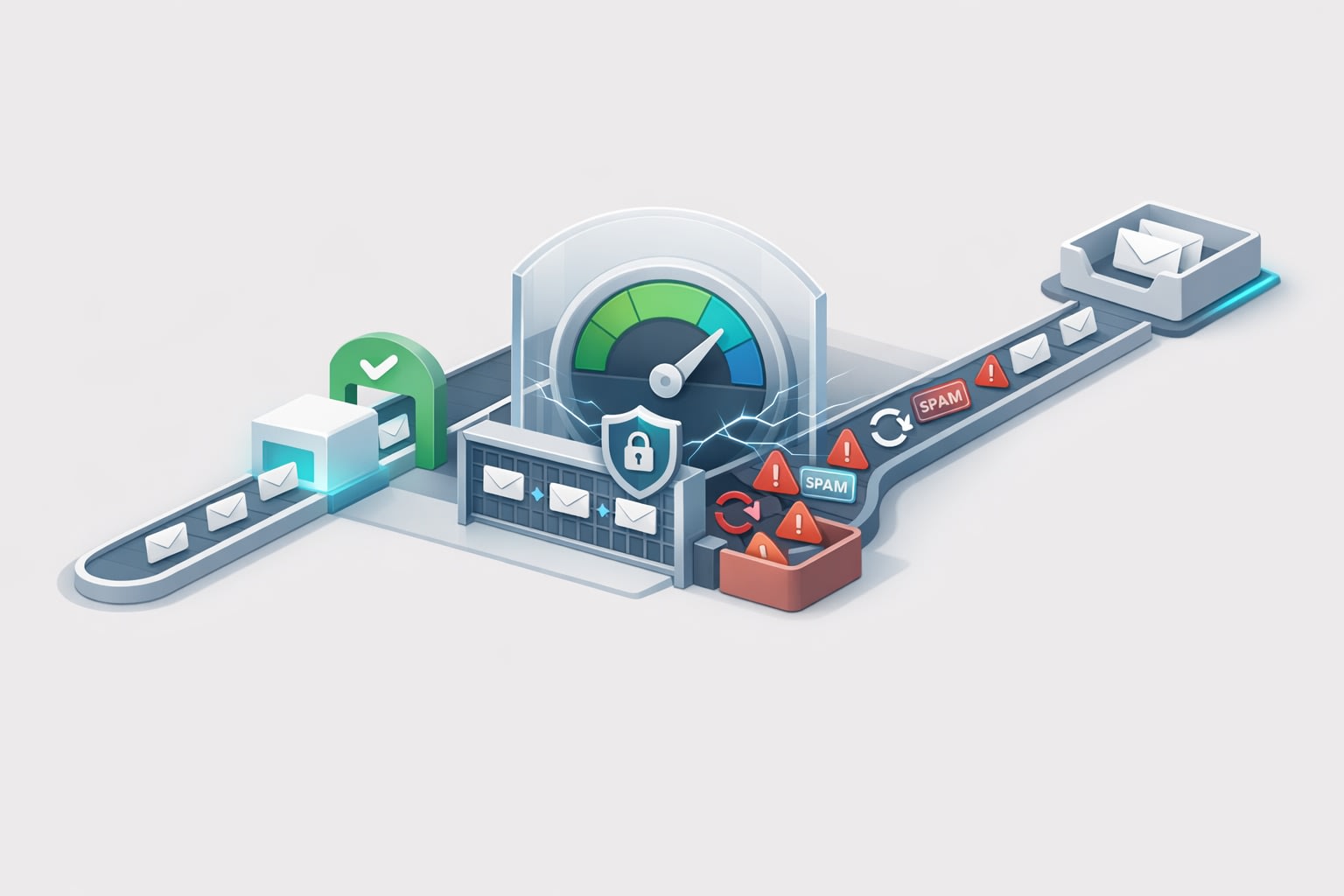
“Timestamping at the edge” matters because many agent actions are triggered and executed close to users and systems of record. If the first trustworthy timestamp exists only in a centralized region or later ingestion pipeline, you inherit gaps: network delays, buffering, and opportunities for selective omission. On a global edge network, you can capture and attest to “this action was observed and sealed at approximately this time” before it fans out to downstream systems. This aligns well with edge platforms and security controls that already sit in front of applications and APIs, including capabilities associated with cloudflare.com.
What a receipt should contain
A receipt trail succeeds when it answers five questions without ambiguity:
- Who: agent identity, runtime identity, and (when applicable) end-user identity or session context.
- What: tool name/version, method, target resource, and a precise description of the action.
- With what inputs: parameters, prompts, retrieved context identifiers, and policy constraints that were active.
- What happened: tool response, status codes, and side-effect identifiers (e.g., ticket ID, commit SHA, invoice ID).
- When: an event time plus an independent, verifiable time anchor.
Receipts should also include a trace ID linking related steps (retrieval → planning → tool calls) and a content redaction strategy so you can prove facts about sensitive inputs without storing them in plaintext.
Canonicalization and hashing: the non-negotiable plumbing
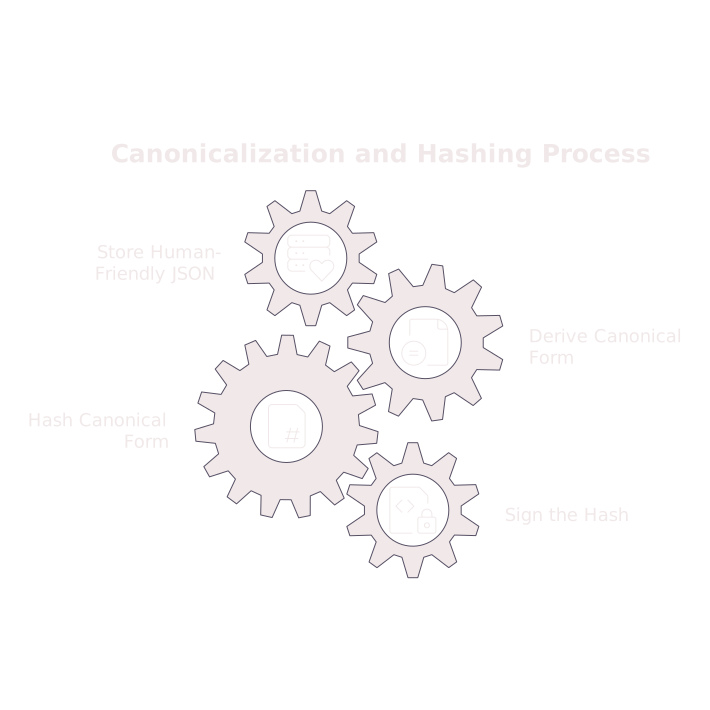
Signatures only help if everyone hashes the same bytes. That means canonicalization: consistent JSON field ordering, stable numeric and timestamp formats, and explicit encodings. A good pattern is:
- Store a human-friendly JSON record for debugging.
- Derive a canonical form (e.g., a deterministic JSON canonicalization scheme) and hash that.
- Sign the hash, not the raw record, to keep signatures small and stable.
For large payloads (documents, images, long tool outputs), store them separately and include only their hashes in the receipt. This keeps receipts lightweight while preserving integrity.
Signing models: agent keys, runtime keys, and policy attestation
There are three common signing approaches, and many systems combine them:
1) Runtime signing key
The execution environment signs every tool transcript. This is operationally practical: keys are managed centrally, rotated, and protected with HSM/KMS equivalents. The receipt proves “this runtime produced this call,” which is often sufficient for internal audits.
2) Per-agent identity key
Each agent (or agent class) has its own signing key. This helps in multi-tenant setups and when different agents have different authority. It also simplifies revocation: disable one agent without affecting others.
3) Policy and code attestation
The receipt includes a hash of the agent policy bundle (allowed tools, scopes, rate limits) and the agent build artifact. That way, you can prove the action was taken under a specific approved configuration, not just by a generic runtime.
Timestamping at the edge: turning “logged” into “time-anchored”
A local wall clock is not a cryptographic timestamp. To reduce disputes about ordering and timing, the receipt should include a time anchor from a component that is difficult to manipulate from the application layer. At the edge, you can:
- Seal each receipt with an edge-generated timestamp and an edge signature.
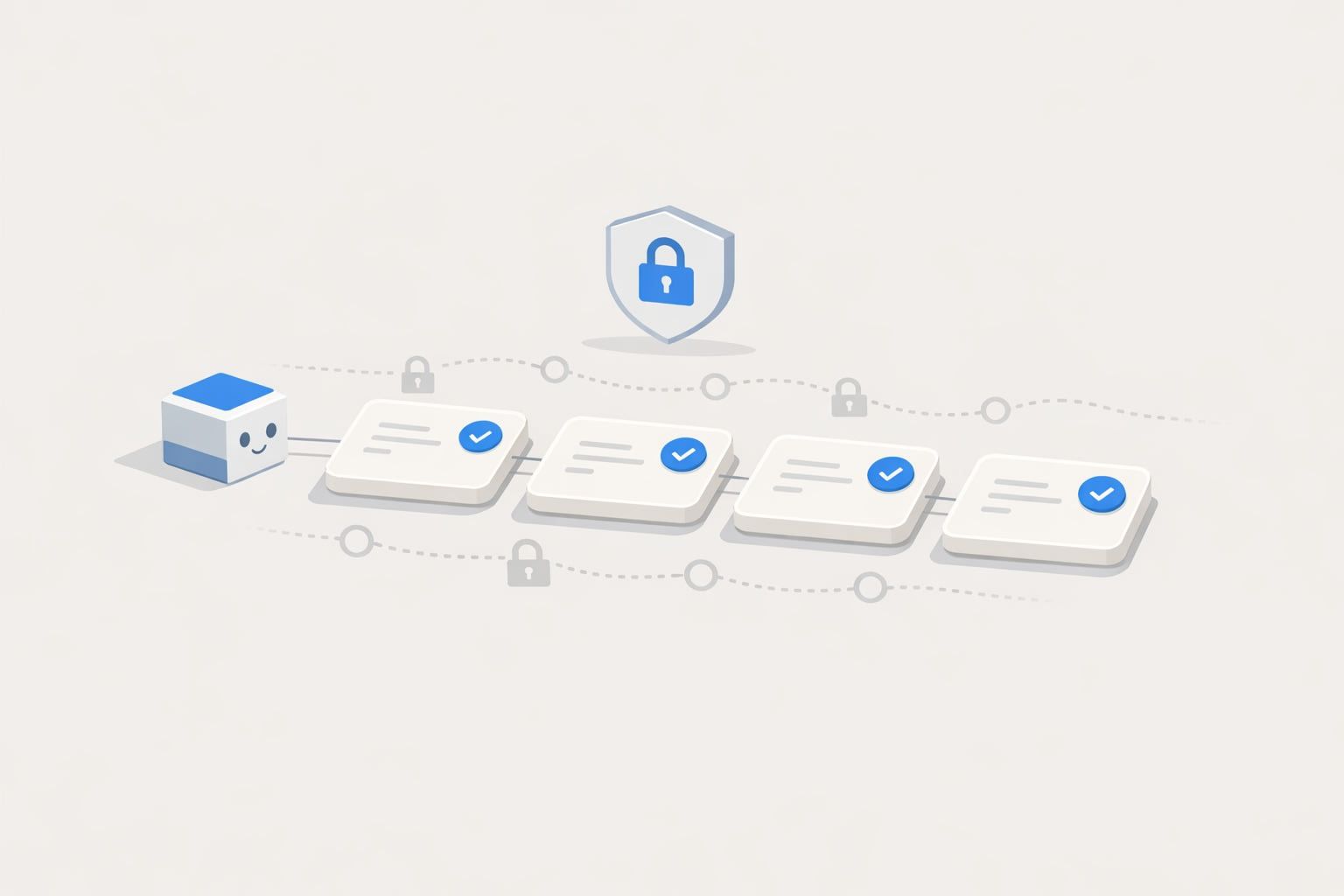
- Create a hash chain (each receipt includes the hash of the previous receipt) to make deletions and insertions detectable.
- Batch-anchor receipt hashes periodically (e.g., every minute) into an external transparency log or immutable store.
This “chain plus anchor” pattern provides strong tamper evidence. Even if a database record is altered later, the mismatch against the chain or the batch anchor exposes it.
Privacy and redaction without losing verifiability
Receipts often include sensitive data: customer identifiers, API tokens, prompts, or retrieved documents. The trick is to keep receipts verifiable while minimizing exposure:
- Hash sensitive fields and store salted hashes when you need to prevent dictionary attacks.
- Use field-level encryption so only auditors can decrypt specific parts.
- Store pointers to secure blobs (with integrity hashes) rather than inline data.
- Log derived claims: e.g., “prompt matched policy X” with a policy hash, instead of the entire prompt.
This is similar in spirit to building signed pipelines to defend against integrity failures in knowledge systems; if you’re already thinking about provenance, the same mindset applies to action transcripts (see Detecting Poisoned RAG Retrievers With Signed Knowledge-Base Pipelines).
Architecture blueprint for signed tool transcripts
A practical implementation usually looks like this:
- Agent runtime emits a tool transcript event for every tool call (request + response + metadata).
- Canonicalizer produces a deterministic representation and hashes it.
- Signer signs the hash (runtime key and/or agent key).
- Edge sealer adds an edge timestamp, edge signature, and links it into a hash chain.
- Receipt store writes receipts to an append-only store and optionally mirrors them for analytics.
- Verifier (auditor tool) validates signatures, chain integrity, and batch anchors.
Design for partial failure: if the downstream store is unavailable, you still want the edge to buffer sealed receipts and forward them later without breaking the chain.
Operational concerns: rotation, revocation, and mismatch debugging
Cryptographic trails fail in the real world when key management and debugging are ignored:
- Key rotation: embed key IDs in receipts; support overlapping validity windows; keep verification keys discoverable.
- Revocation: treat compromised agent keys like user credentials—revoke, re-issue, and annotate the timeline.
- Schema evolution: version your canonicalization rules so old receipts remain verifiable.
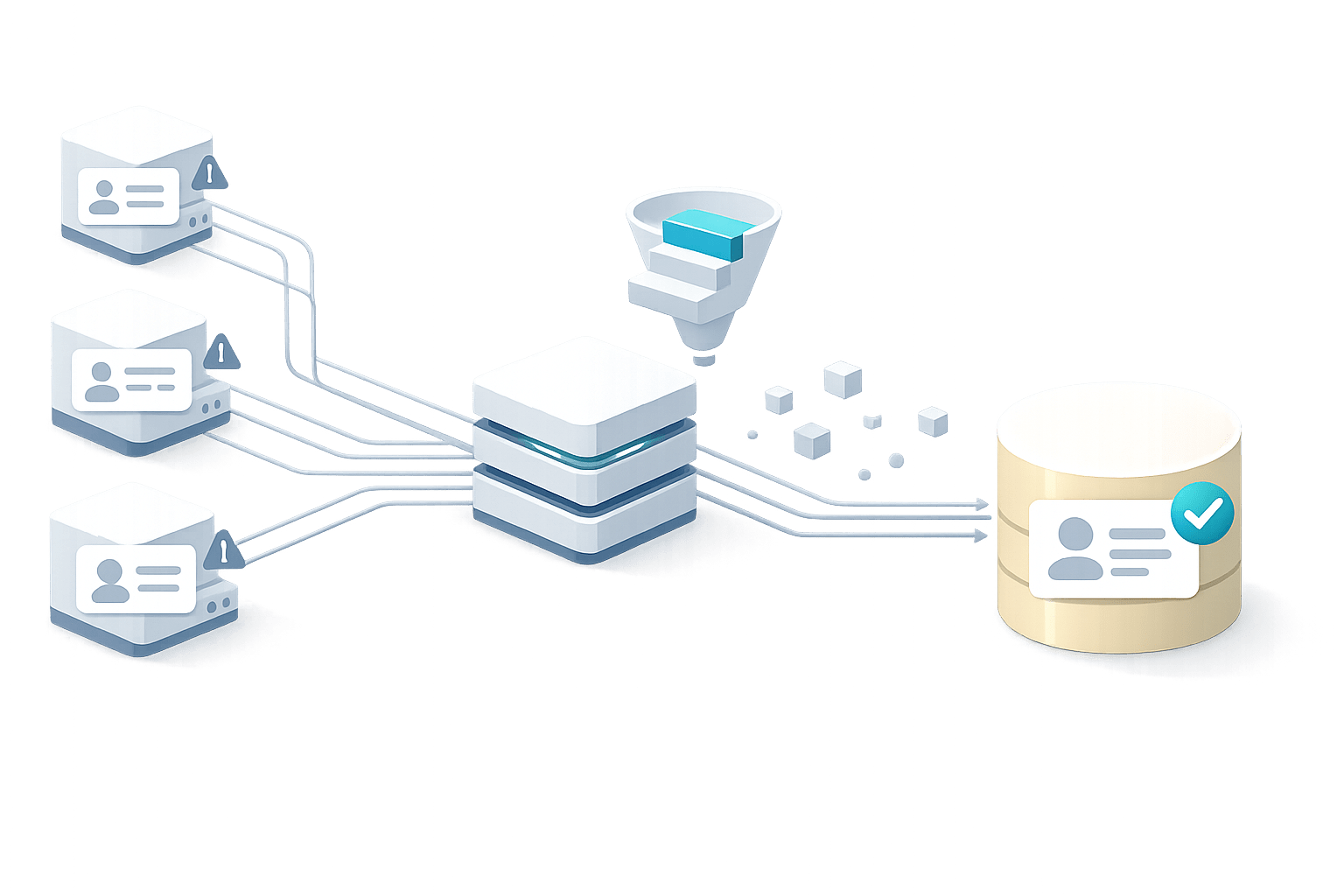
- Reconciliation: compare receipts against business systems to spot missing actions, duplicates, or mismatched outcomes. If you’ve dealt with cross-system inconsistencies, the same reconciliation discipline applies (see Stop Revenue Reporting Mismatches Between Your CRM Ad Platforms and Analytics).
What this enables in practice
Once every agent action can produce a verifiable receipt, you can do more than “look at logs.” You can prove action ordering, isolate which configuration authorized a side effect, and detect selective deletion. For high-impact tools—payments, production deploys, permission changes—receipts become a lightweight accountability layer that travels with the action, even across vendors and boundaries.
The key is to treat receipts as first-class artifacts: defined, signed, time-anchored, and verifiable by parties who do not share your logging infrastructure.