Letting AI Agents Safely Execute CRM and ERP Actions With Guardrails, Shadow Mode, and Evaluations
Jamie
Why “read-only” is comfortable and “read/write” is where value lives
Most AI agent rollouts start in “read-only” mode for a good reason: once an agent can create orders, issue refunds, update renewal dates, or modify CRM fields, mistakes stop being “bad answers” and become operational incidents. But staying read-only also caps impact. The real unlock is letting agents take actions in CRM/ERP systems while keeping humans and policies firmly in control.
The path from read-only to read/write is less about “trusting the model” and more about engineering a safety envelope: policy guardrails that define what’s allowed, a shadow mode that proves the agent can behave, and automated evaluations that catch regressions before they reach production.
Start by defining the action surface, not the prompt
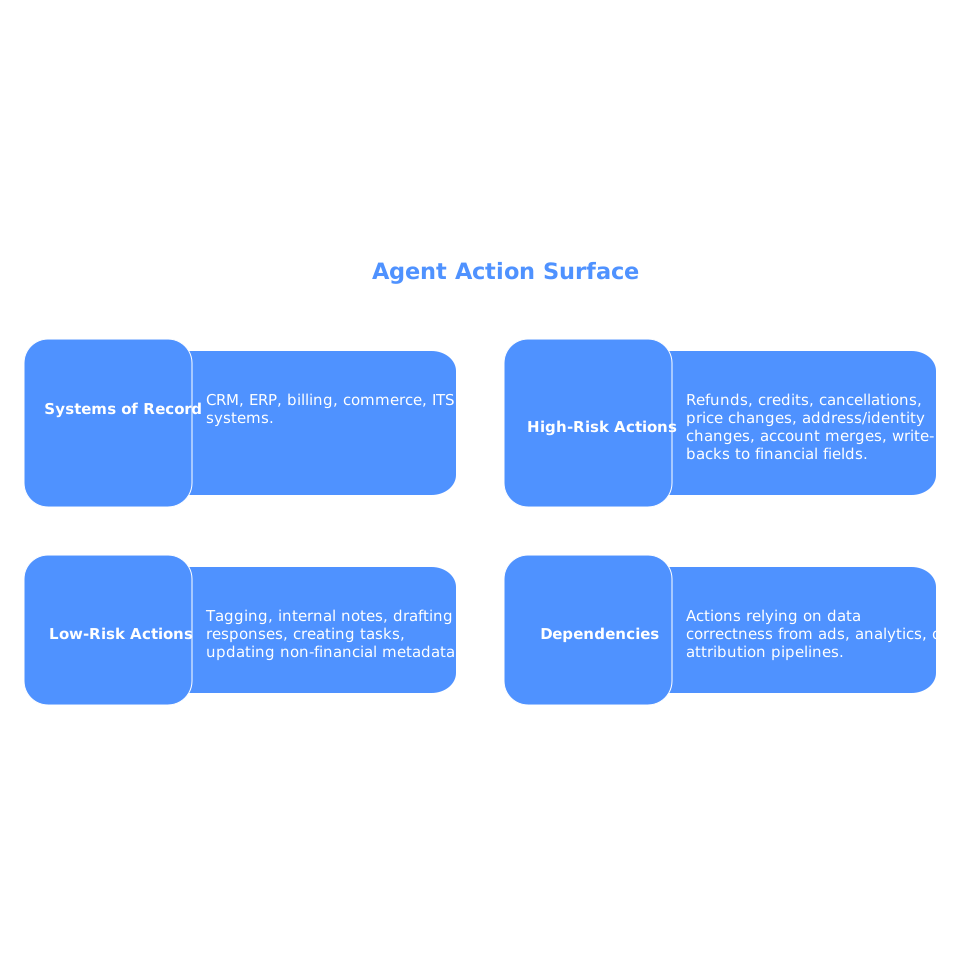
Before you talk about policies, define the action surface area your agent can touch. In practice, this means making a clear inventory of:
- Systems of record: CRM (e.g., customer and deal objects), ERP (orders, invoices, credit memos), billing, commerce, ITSM.
- High-risk actions: refunds, credits, cancellations, price changes, address/identity changes, account merges, write-backs to financial fields.
- Low-risk actions: tagging, internal notes, drafting responses, creating tasks, updating non-financial metadata.
- Dependencies: which actions rely on data correctness from ads, analytics, or attribution pipelines.
This scoping step prevents a common failure mode: an agent that is “safe” in a sandbox but becomes unpredictable once it sees edge cases from production data.
Policy guardrails that work at runtime
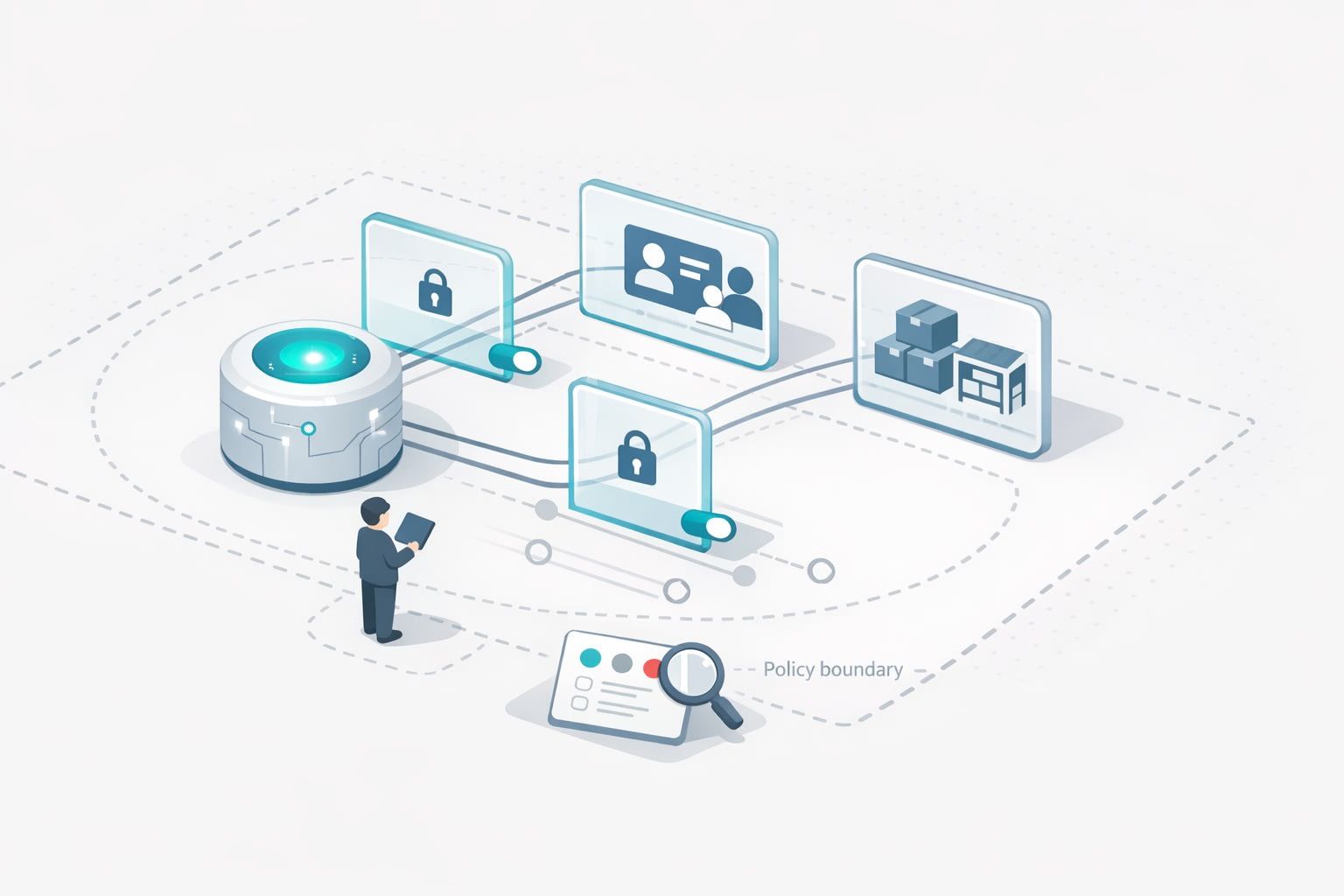
“Policies” shouldn’t live only in documentation. For read/write agents, guardrails must be enforceable at runtime, per action, with auditable reasons. Effective guardrails tend to include three layers.
1) Permissioning by intent and by object
Instead of broad API tokens, use least-privilege permissions: allow the agent to write only to specific objects (e.g., Support Ticket notes, not Invoice line items) and only for certain intents (e.g., “create return authorization” but not “issue refund”). You want failures to be explicit and safe: the agent can propose a refund but cannot execute it unless the policy allows it.
2) Constraints that encode business rules
Guardrails should capture the rules your best agents follow naturally, such as:
- Refunds over a threshold require approval.
- Credits can only be issued if an invoice is paid.
- Address changes require a verification step.
- Account merges require two-factor confirmation and a duplicate check.
These rules are most resilient when expressed as deterministic checks around each action, rather than as “please be careful” language in a prompt.
3) Evidence requirements for sensitive actions
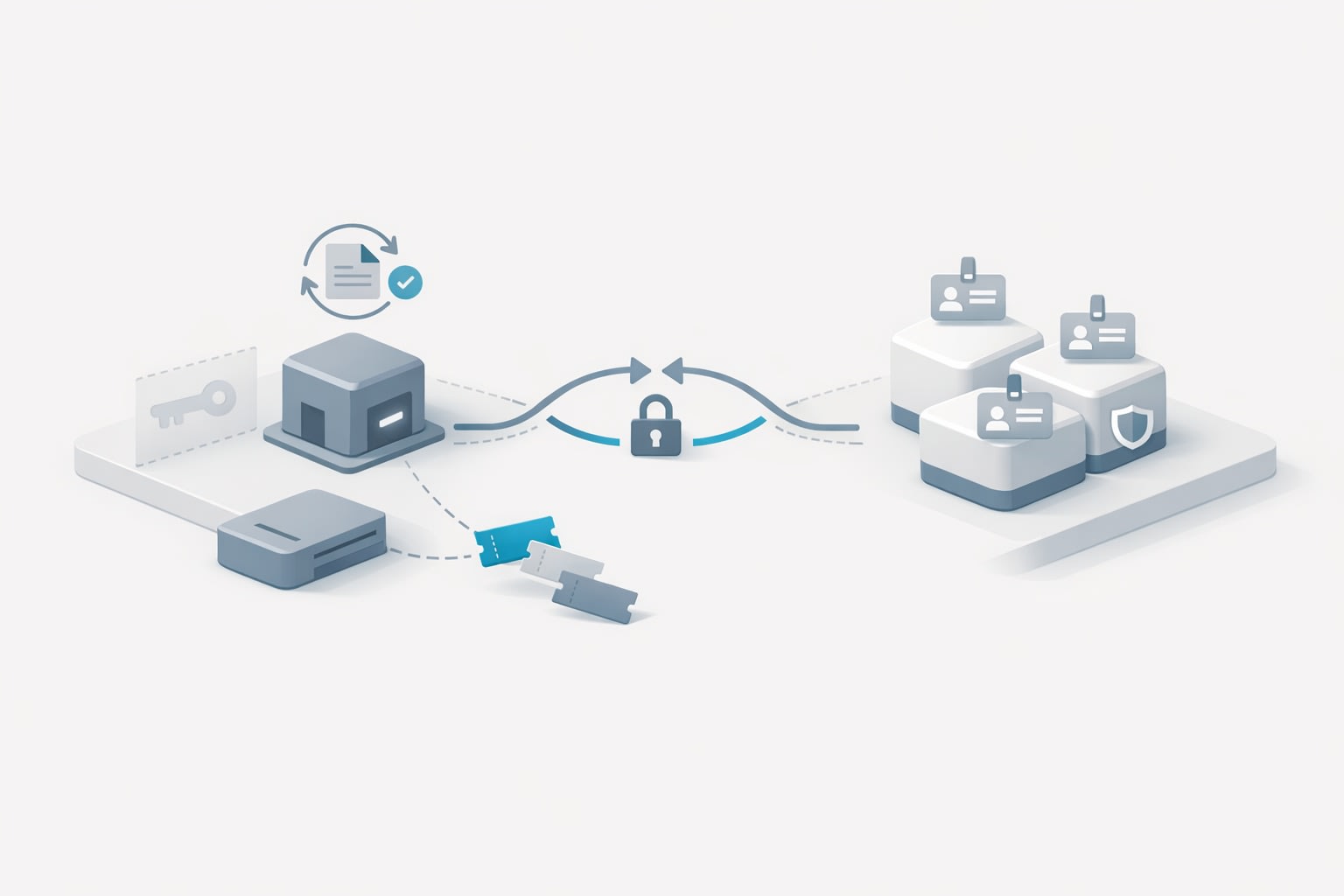
For high-risk operations, require the agent to attach evidence: the ticket excerpt, order IDs, policy references, and the reasoning summary. This makes actions reviewable and allows faster incident response when something goes wrong.
Shadow mode as the bridge from theory to reality
Shadow mode means the agent runs end-to-end but doesn’t actually execute write actions. Instead, it produces a “proposed action plan” with payloads that would have been sent to the CRM/ERP. You compare those proposals to what humans did, or to what policy says should happen.
Shadow mode is where teams often discover the real blockers:
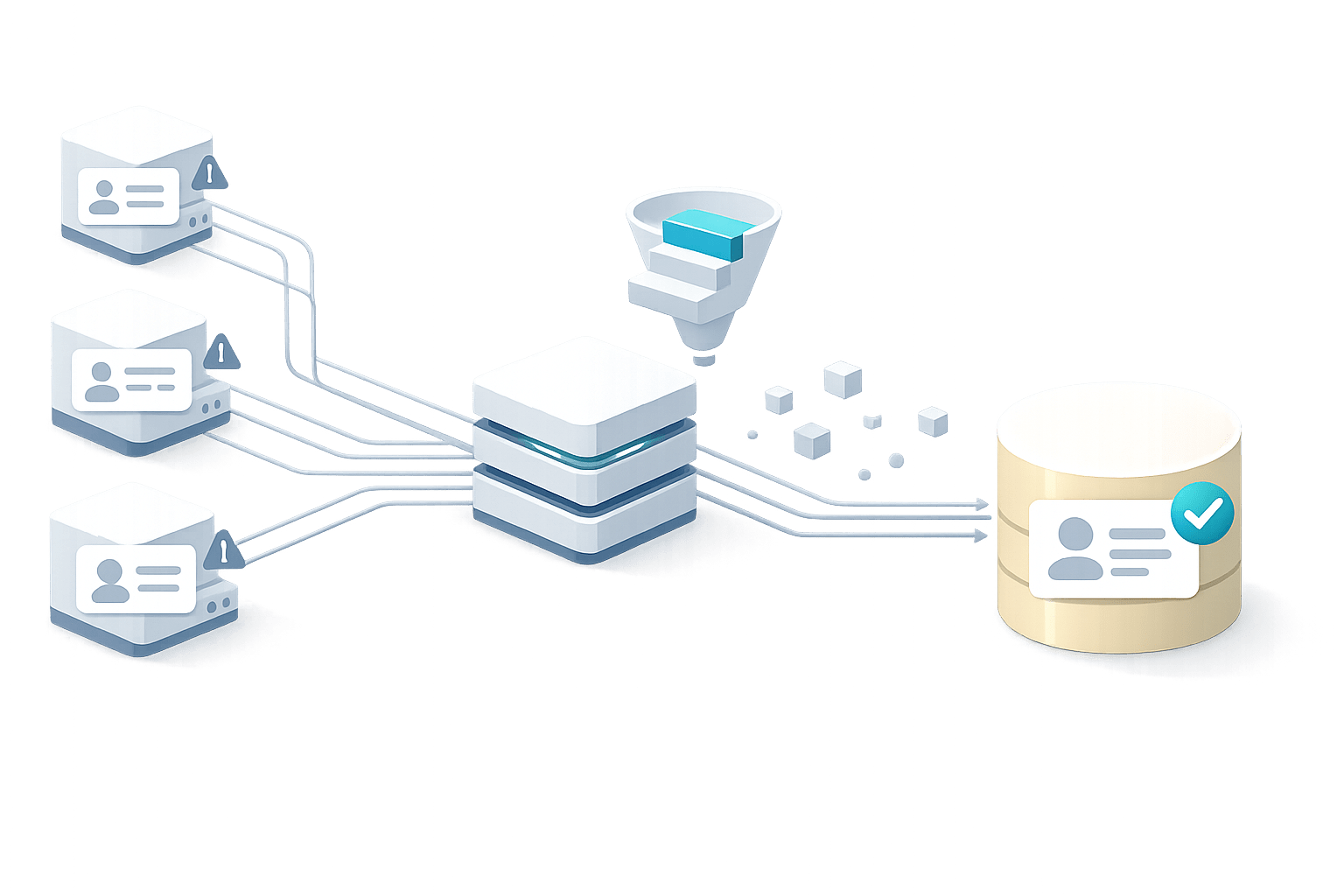
- Ambiguous fields (two “customer IDs,” outdated account hierarchies).
- Integration debt where systems disagree on the same revenue or customer truth.
- Missing audit context (why a refund was granted last time).
If your agent will write back to revenue-relevant fields, fix reporting disagreements first. Otherwise the agent will “do the right thing” but still create downstream mismatches. A practical reference is this guide on stopping revenue reporting mismatches between your CRM, ad platforms, and analytics.
Automated evaluations that prevent silent regressions
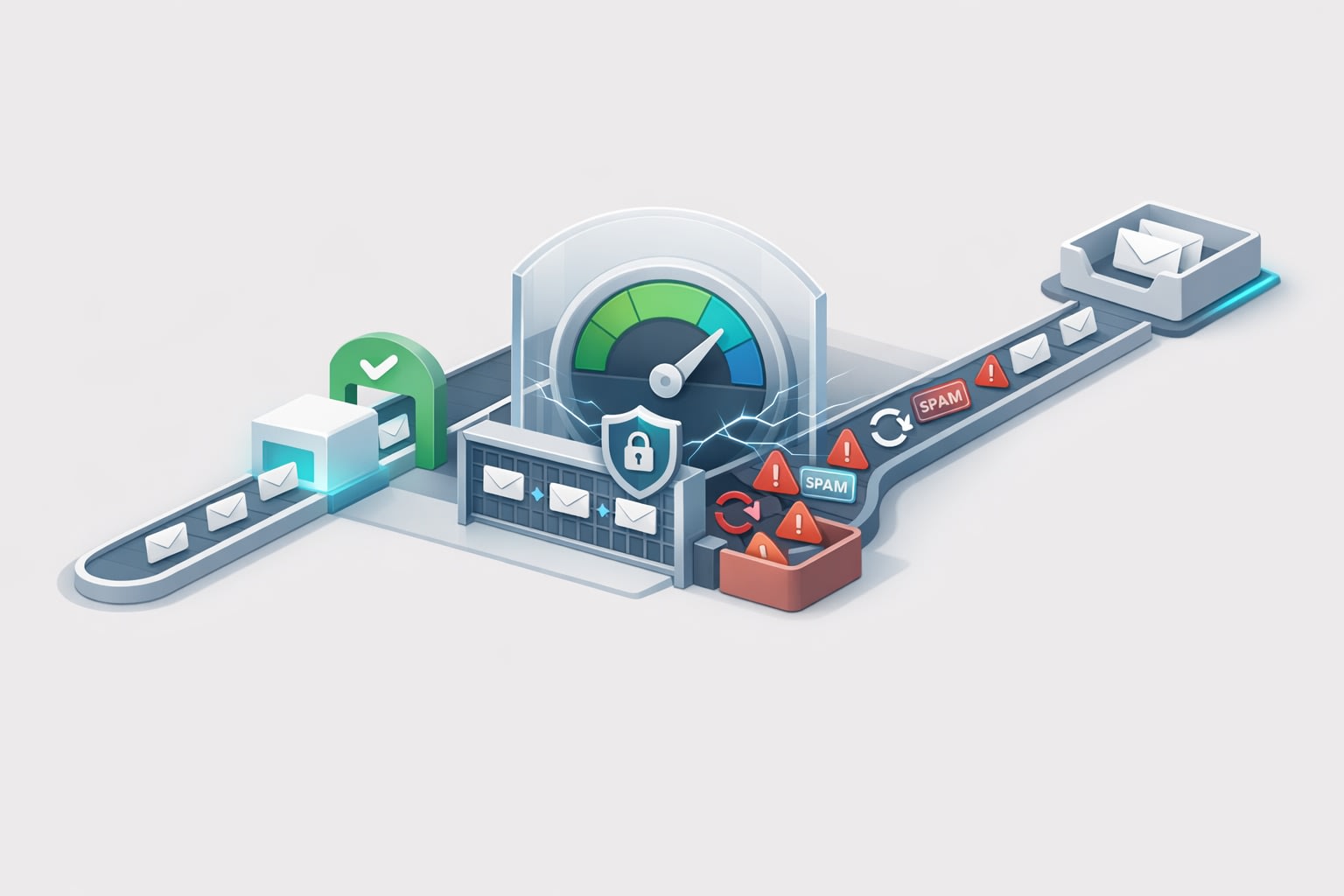
Read/write agents need a safety net that runs continuously. Automated evaluations should be treated like tests in software delivery: you run them before changes ship, and you run them on a schedule against representative scenarios.
What to evaluate
- Policy adherence: did the agent attempt a disallowed action?
- Correctness of payloads: is the right object updated, with the right fields?
- Data minimization: did it avoid writing sensitive data into the wrong field?
- Workflow completeness: if a refund is blocked, did it create the right human task?
- Customer-impact risk: tone, timing, and channel appropriateness when actions trigger messages.
How to evaluate without overfitting
Use a mix of deterministic checks (schema validation, business rules, permission checks) and scenario-based simulations. The goal is not to “grade prose,” but to validate that the agent’s actions are safe, reversible, and consistent with policy.
Evaluations should also cover retrieval and tool usage. If your agent depends on knowledge bases, lock down how those sources are built and signed so you don’t end up with a read/write agent acting on poisoned context. (If this risk is on your radar, the article on detecting poisoned RAG retrievers with signed knowledge-base pipelines is a useful complement.)
Graduated autonomy: approvals, partial handoffs, and full takeovers
Moving to read/write doesn’t mean “no humans.” The safest deployments increase autonomy in steps:
- Approval required: the agent proposes actions; a human confirms.
- Partial handoff: the agent executes low-risk actions automatically, escalates high-risk ones.
- Full takeover in bounded lanes: the agent executes end-to-end for specific workflows (e.g., standard returns) under strict policy.
This graduated model reduces operational shock. It also gives you clean data on where the agent performs well and where policies or integrations need tightening.
Make “reversibility” a design requirement
Even with policies and evals, issues happen. Design for reversibility:
- Idempotent actions to avoid duplicate credits or double status changes.
- Write-ahead logging so you can reconstruct what the agent tried to do and why.
- Compensating actions (e.g., void a credit memo, reopen a case, revert a field) where possible.
- Clear provenance: tag records with “agent executed,” model version, policy version, and approver (if any).
These mechanics turn “AI mistakes” into standard operational incidents with clear rollback paths.
Where an AI-native platform layer helps
Teams often attempt to bolt action-taking onto a chatbot and then keep adding guardrails. A more robust approach is to introduce an AI-native layer that connects channels, policies, and actions across systems so your agent behavior is controlled centrally rather than scattered across scripts and integrations.
That’s the category typewise.app sits in: an AI Agent Platform for Customer Experience designed for orchestration across CRM/ERP/billing/commerce tools, with multi-agent supervision, policy-based control, shadow-mode style validation, and automated evaluations to validate changes before they go live. The practical benefit is consistency: one place to manage what agents can do, how they escalate, and how changes are tested—so read/write capability scales without turning into a patchwork of risky exceptions.
Operational checklist for the read/write rollout
- Inventory actions, rank by risk, and choose a narrow first workflow.
- Implement runtime policy checks (permissions, constraints, evidence requirements).
- Run shadow mode with real production traffic and measure divergences.
- Build automated evaluations around policy adherence and payload correctness.
- Roll out graduated autonomy with approvals and escalation paths.
- Design reversibility and auditing into every write operation.